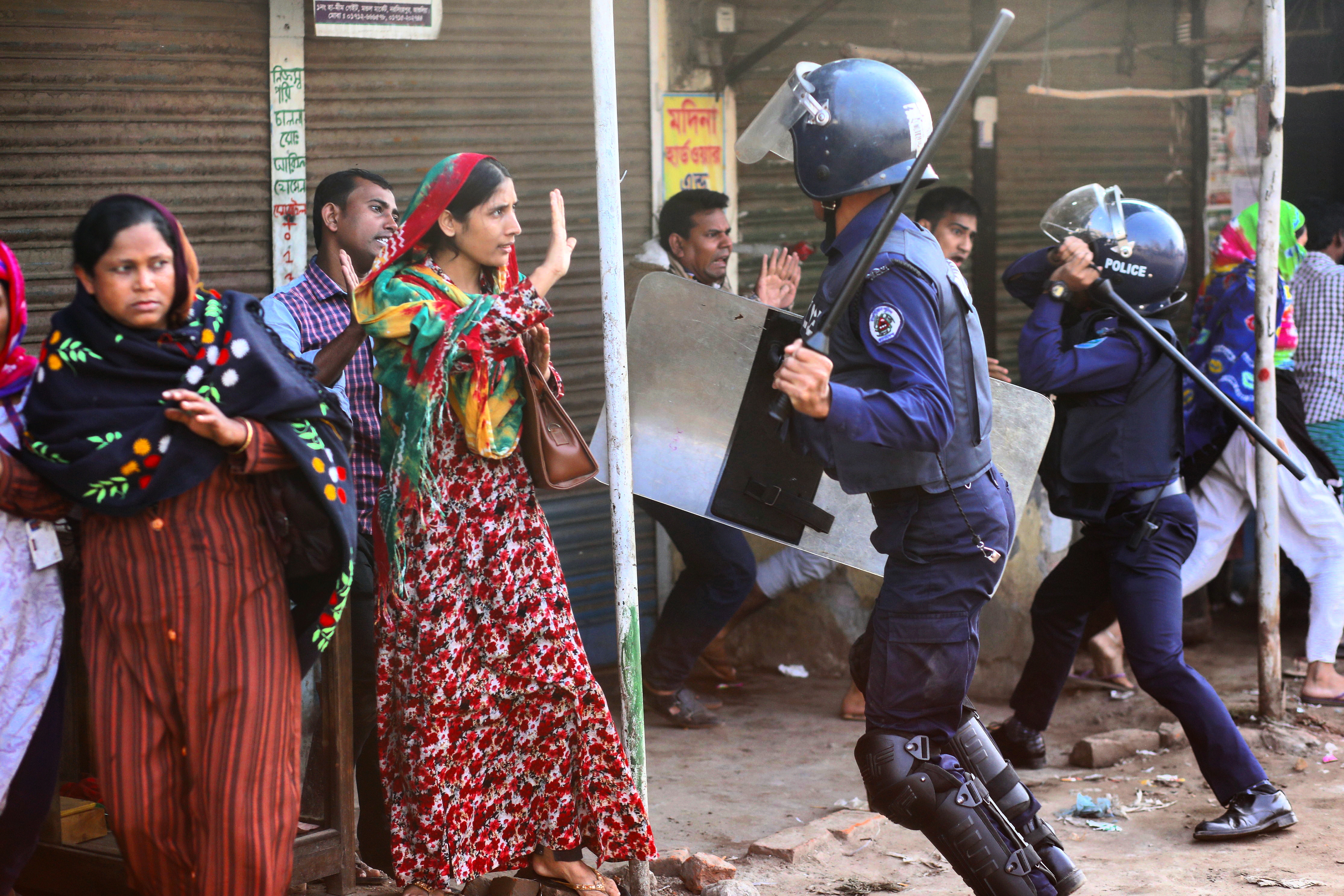
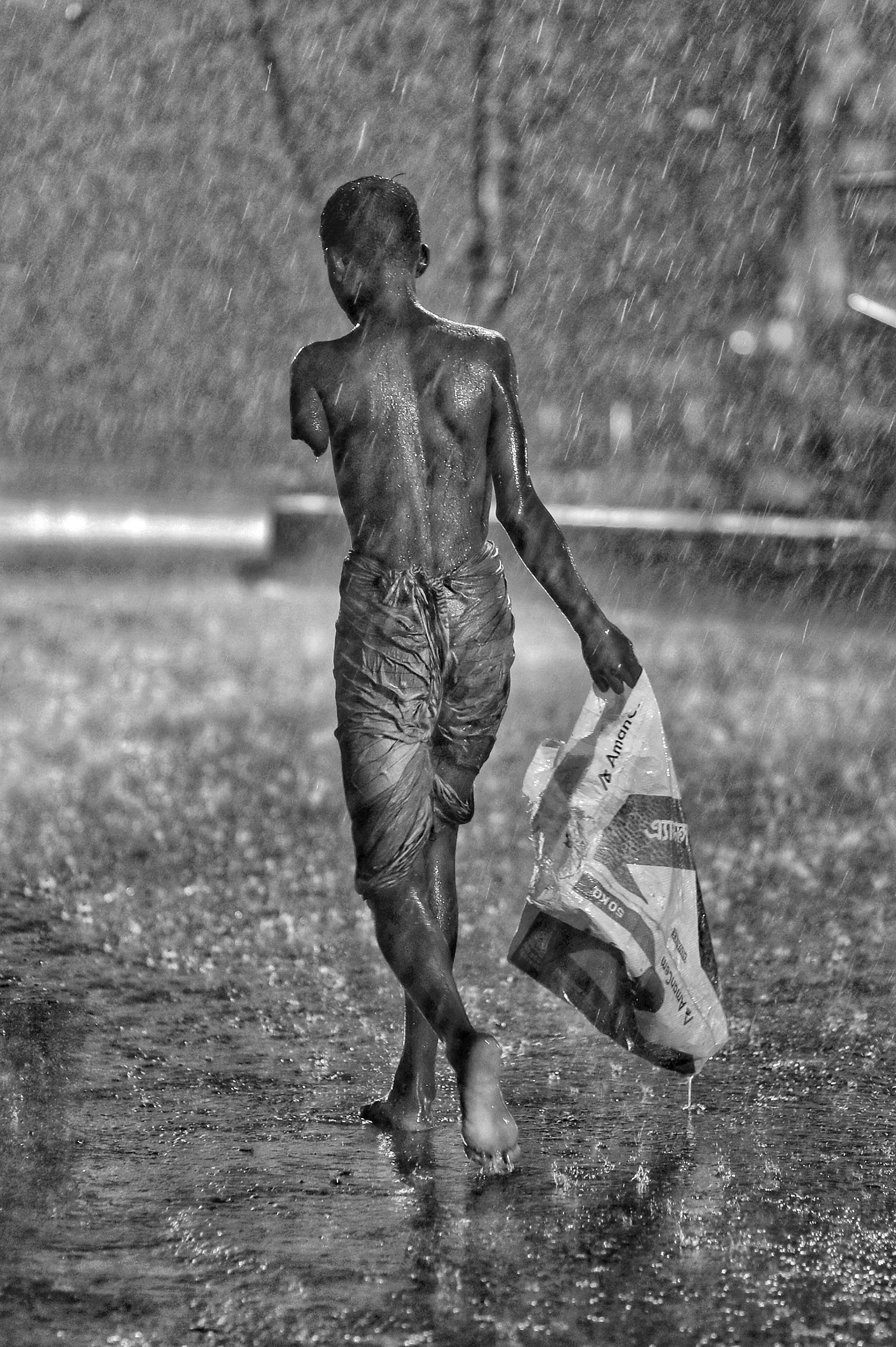
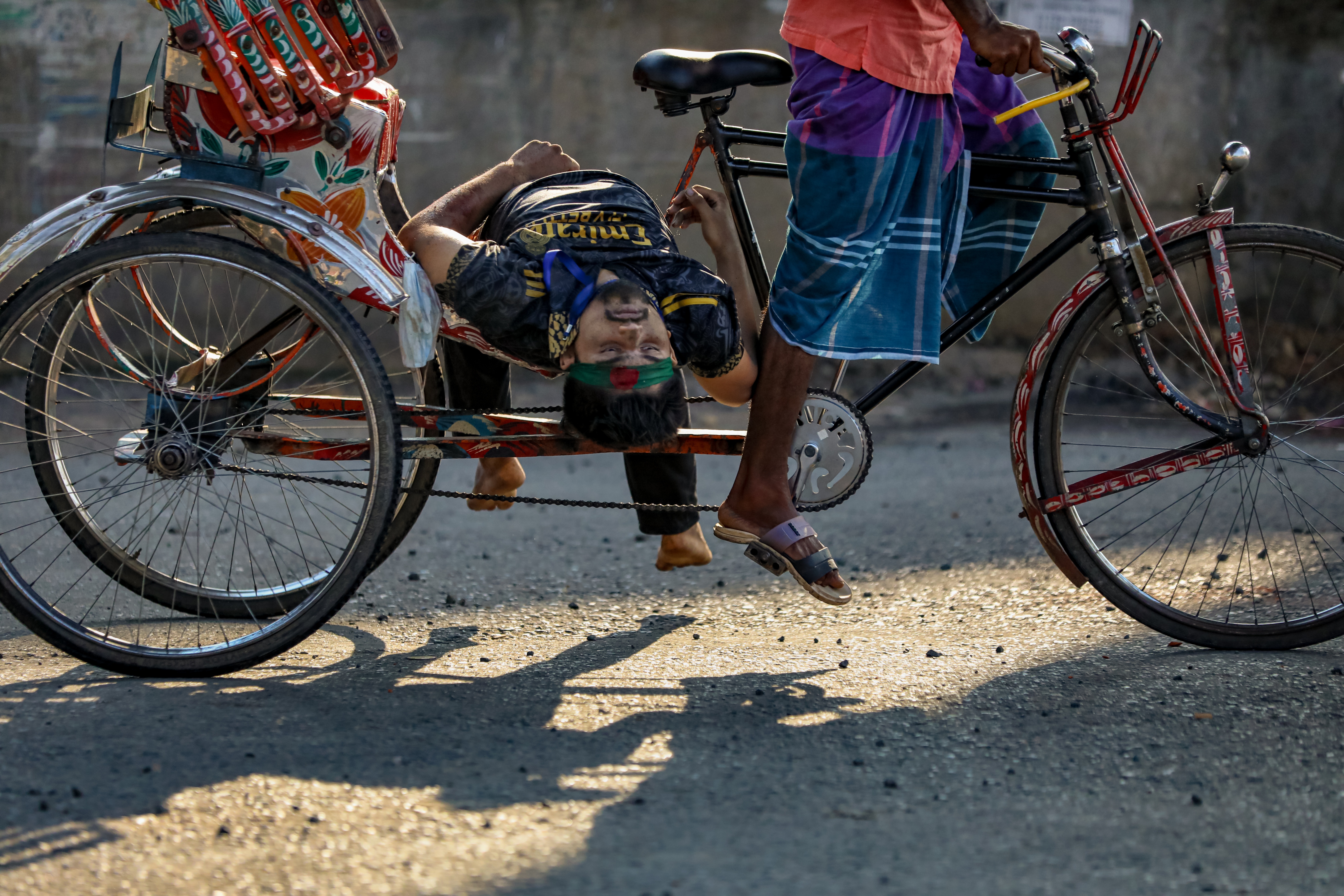
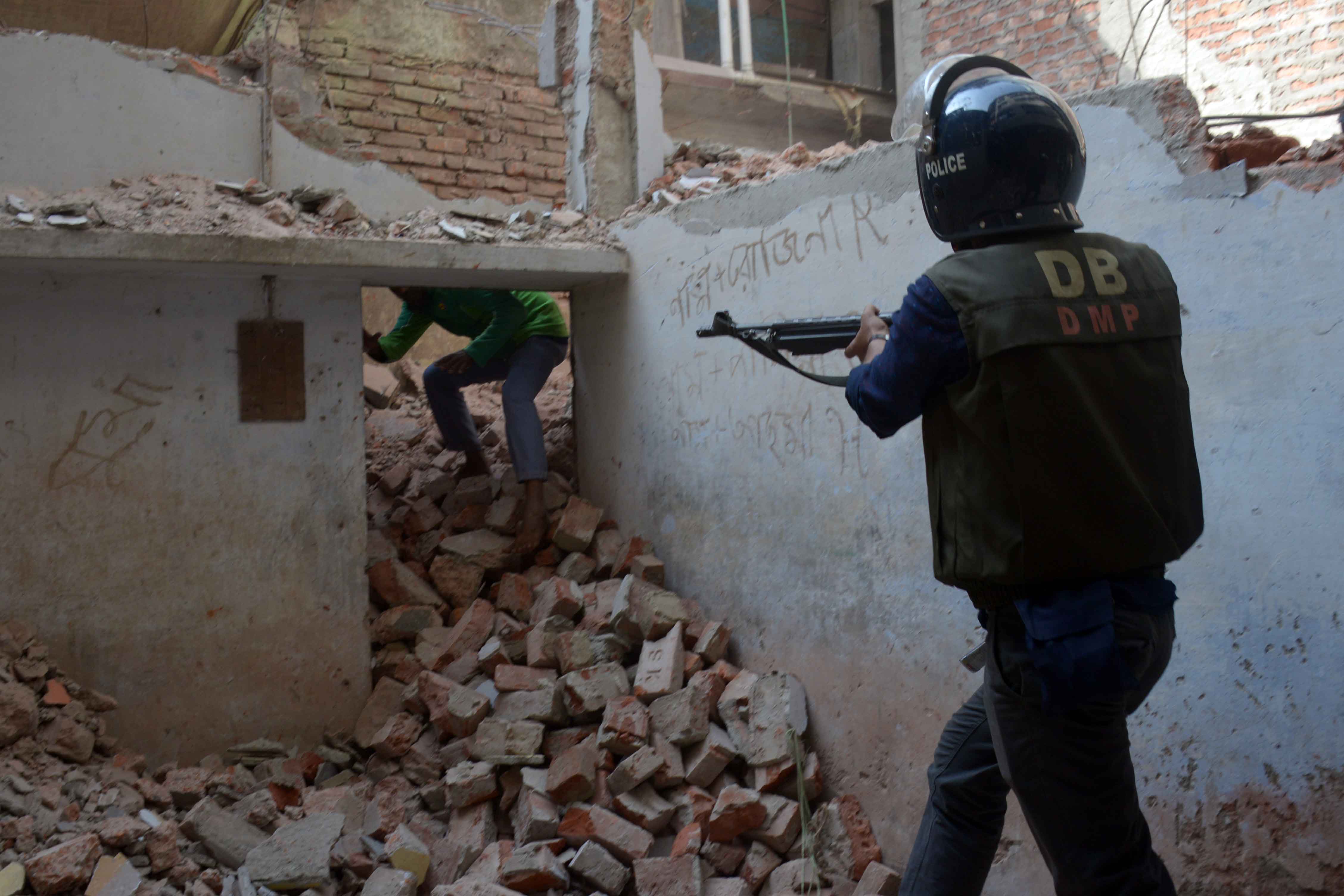
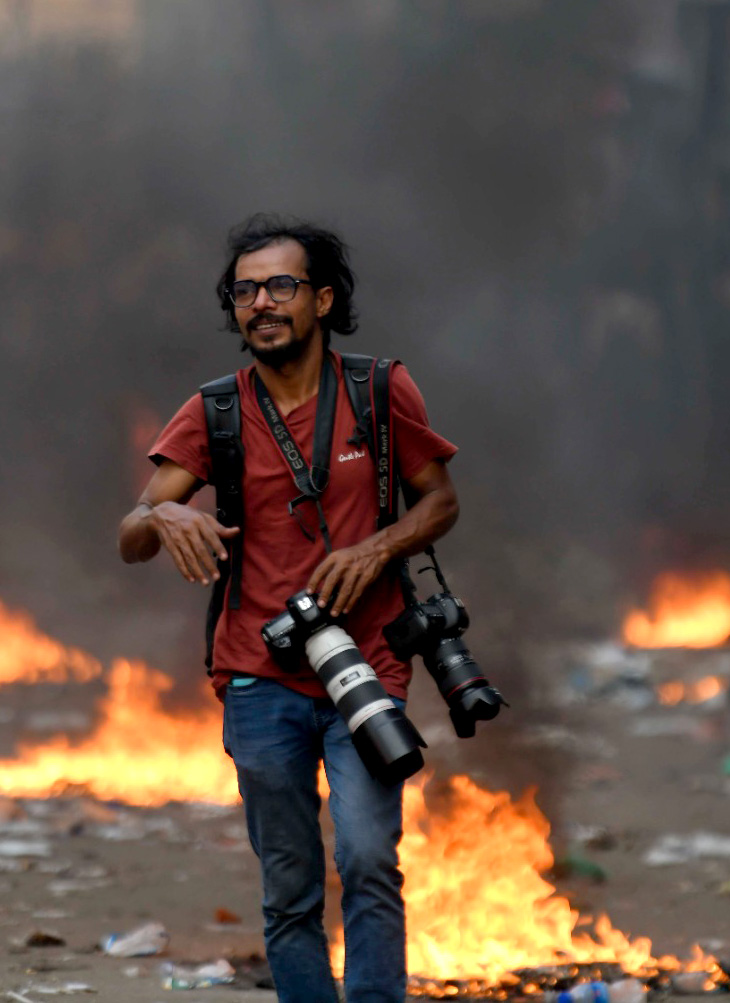
Jibon Ahmed (born Md. Sofikul Islam Jebon) is a Bangladeshi photojournalist and visual
storyteller whose work chronicles the human cost of political upheaval, the dignity of
marginalized communities, and the enduring struggle for justice and freedom. Based in Dhaka,
his
photography stands at the intersection of journalism and humanity — capturing not only
historic
moments, but the emotional truths that shape them.
Over the past decade, Jibon has become one of the most distinctive visual voices in
Bangladesh.
His work has appeared in major regional and international media outlets, including Netra
News,
Equator, Al Jazeera, BenarNews, and The Quint, where he has documented political unrest,
human
rights abuses, public resistance, and the resilience of ordinary people living through
extraordinary times. After working undercover for Netra News for five years during an
authoritarian regime, he currently serves as its Director of Photography, leading visual
storytelling that brings urgent and underreported realities from Bangladesh to a global
audience.
In 2022, he received the Bangladesh Press Photo Award in the Public Interest Journalism
category, recognising his commitment to visual journalism that amplifies the voices of those
often overlooked and confronts social injustice. In 2025, his first book, Witness to the
Uprising, was published by The University Press Limited, documenting Bangladesh’s historic
July
2024 uprising through frontline photographs, personal diary notes, and firsthand testimony.
He
was also the subject of two Al Jazeera documentaries about the uprising.
What defines Jibon’s career, however, is not only the strength of his images but the courage
behind them.
In 2015, during the brutal machete attack on Bangladeshi-American writer Avijit Roy in
Dhaka,
Jibon stepped beyond the role of observer to help rescue and assist the victims, an act of
humanity that came with serious personal and professional consequences. Three years later,
one
of his photographs, showing a young couple kissing in the rain, sparked nationwide debate in
conservative Bangladeshi society over freedom of expression and social norms. The image went
viral, but the backlash was severe: he faced threats, physical assault, and lost his job.
Yet,
he remained unwavering in defending the dignity of his work and the principle that honest
storytelling must not yield to fear.
These defining experiences transformed Jibon’s journalism. They deepened his conviction that
photography is not merely about documenting events, but about defending truth, empathy, and
human dignity in moments when they are most vulnerable.
Today, Jibon Ahmed continues to utilise photography as both a witness and a form of
resistance.
His work preserves the stories that power seeks to erase, giving visibility to the unseen
and
voice to the unheard. Through his lens, journalism becomes more than reportage; it becomes
an
act of courage.
.jpg)