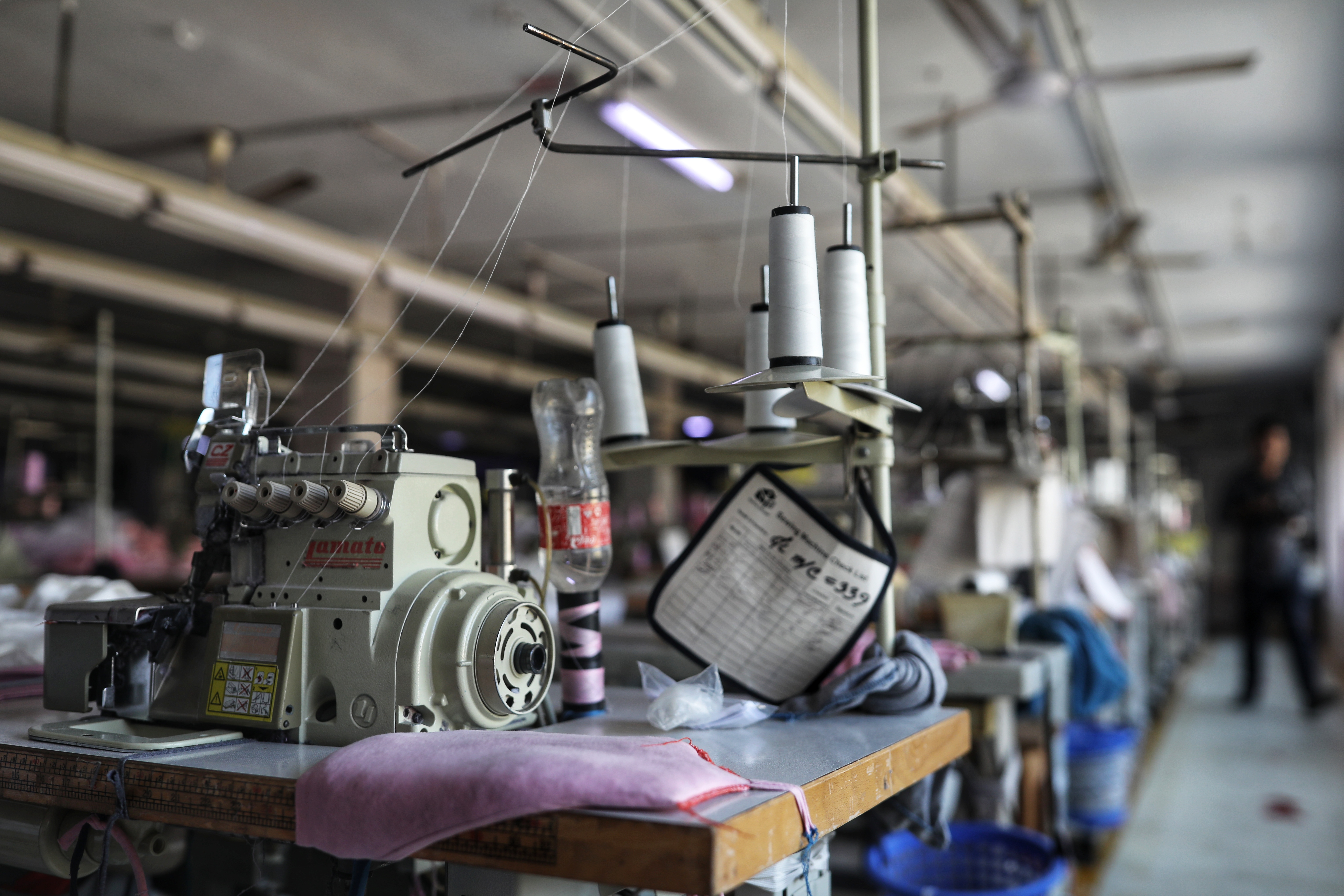
Each piece of clothing sewn tells a story of intense labour. Every exported item from Bangladesh carries an unseen human toll—often paid quietly, in suffering. In this second edition of our photo-story series curated by Mashruk Ahmed, we pay our respects to the workers of Bangladesh by presenting photojournalist Jibon Ahmed’s ongoing documentation of their suppressed movements. “Workers” is more than just a term; it is a reminder that behind every export, every dollar earned, and every so-called success lies a reality shaped by a world where labour is cheap and profit is king.
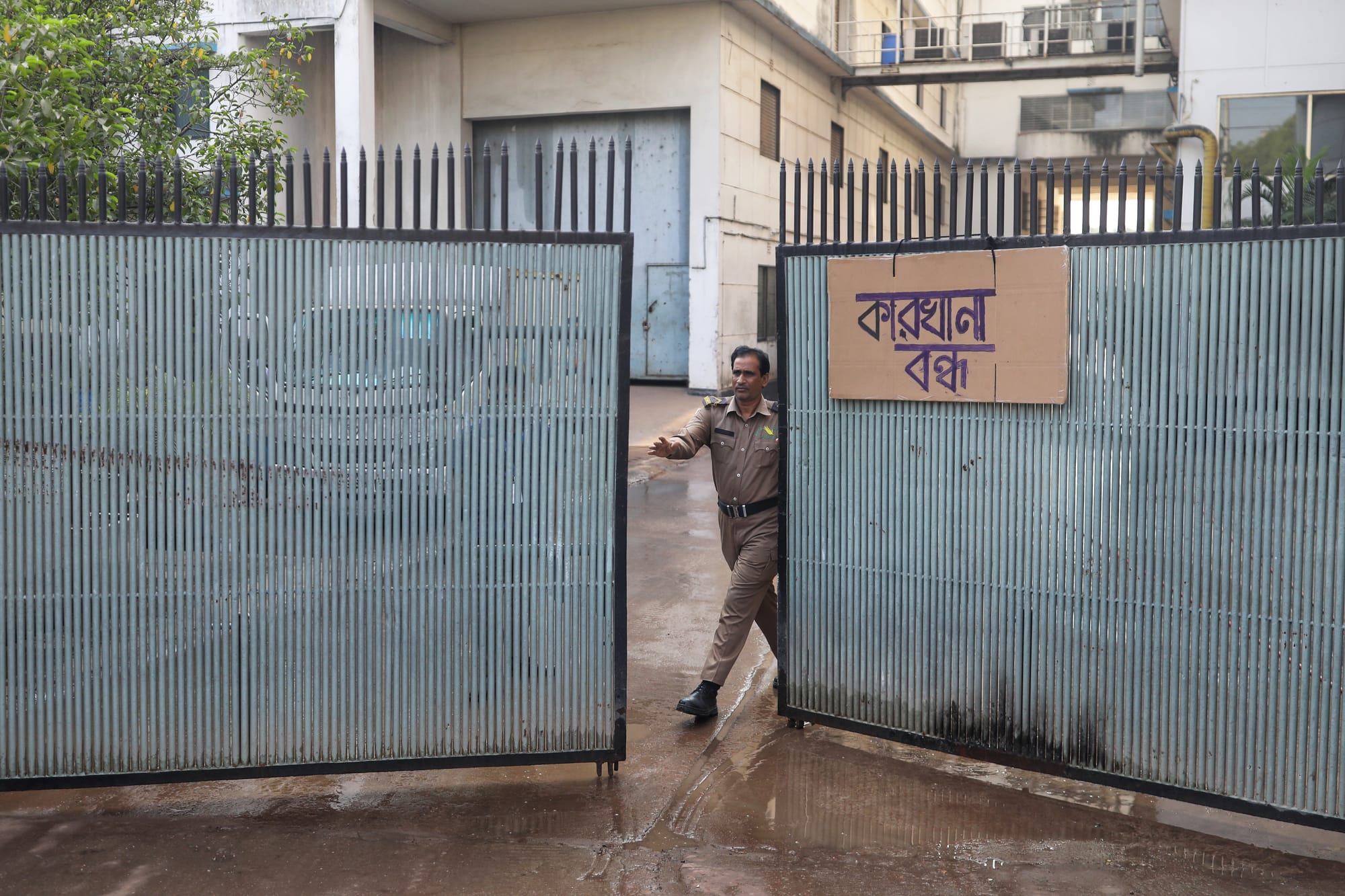
For many, the struggle begins when the very gates of their livelihood are locked shut. The sudden and unjust closure of factories pushes thousands of workers into immediate uncertainty. Stripped of their wages, denied rightful compensation, and left without a clear future, workers are forced to navigate survival on their own. Even with multiple family members working, the loss of a factory job means entire households are plunged into financial hardship, unable to afford three meals a day or maintain a roof over their heads.
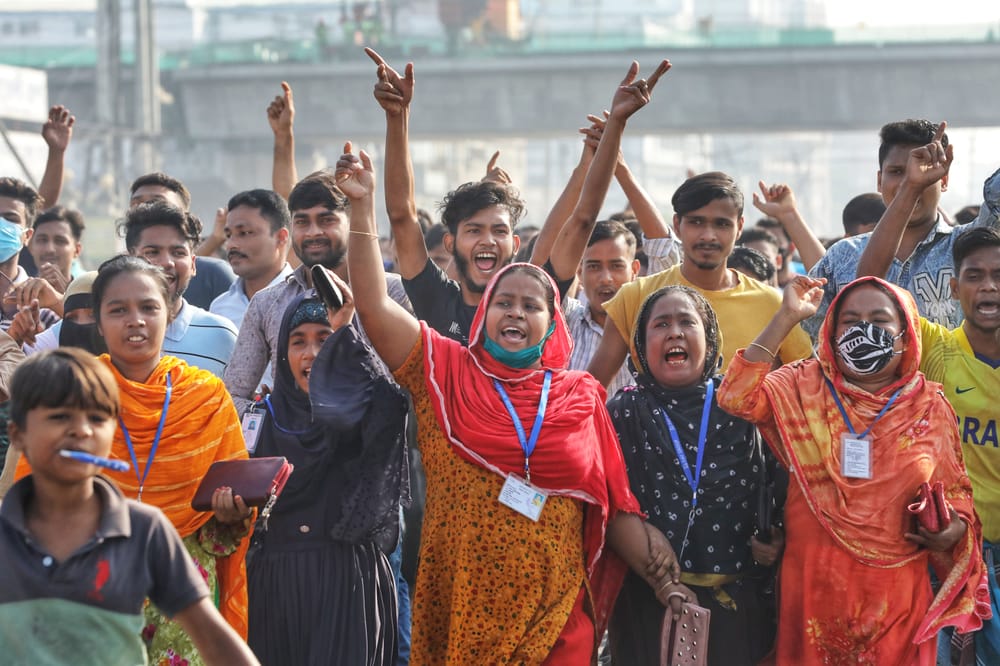
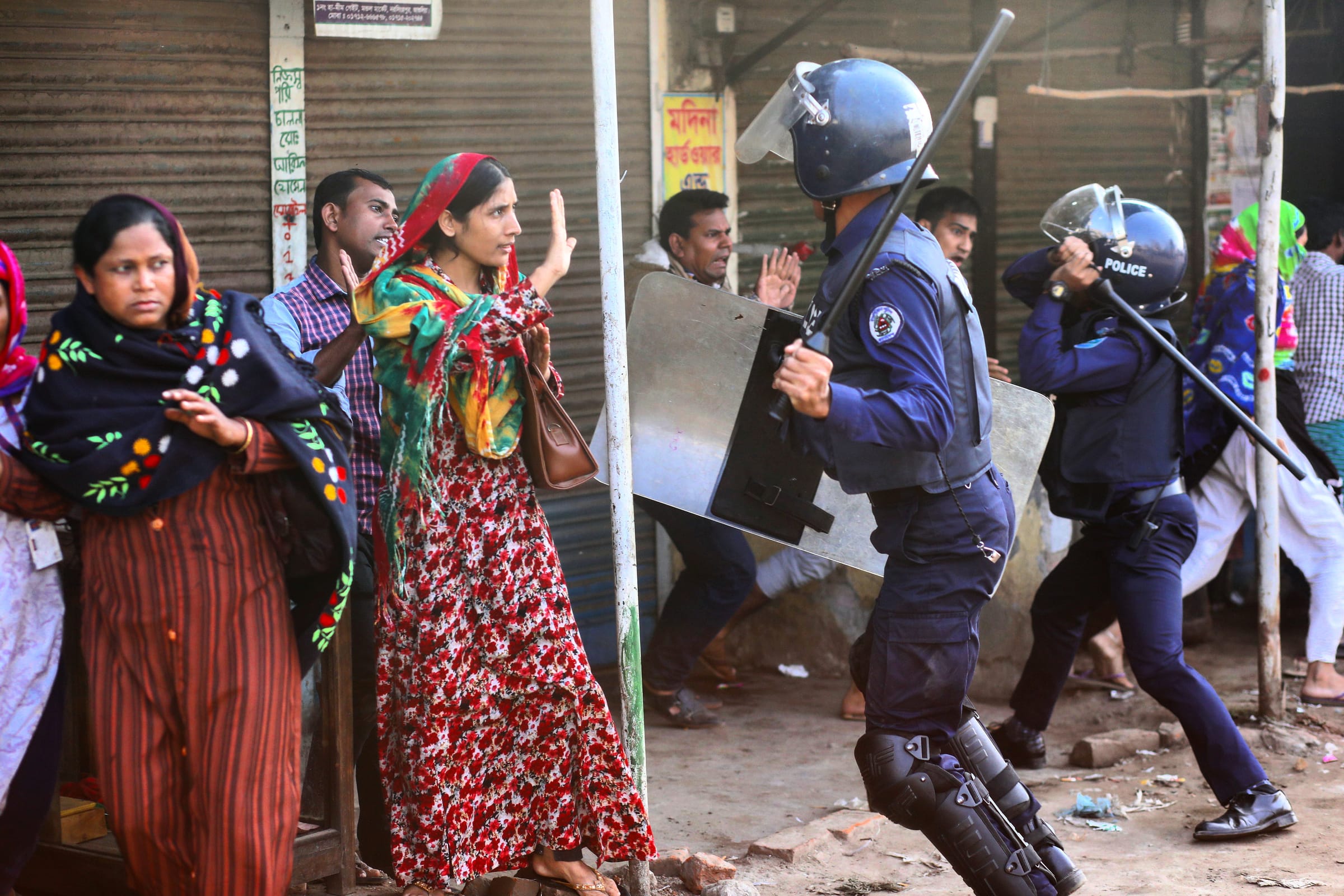
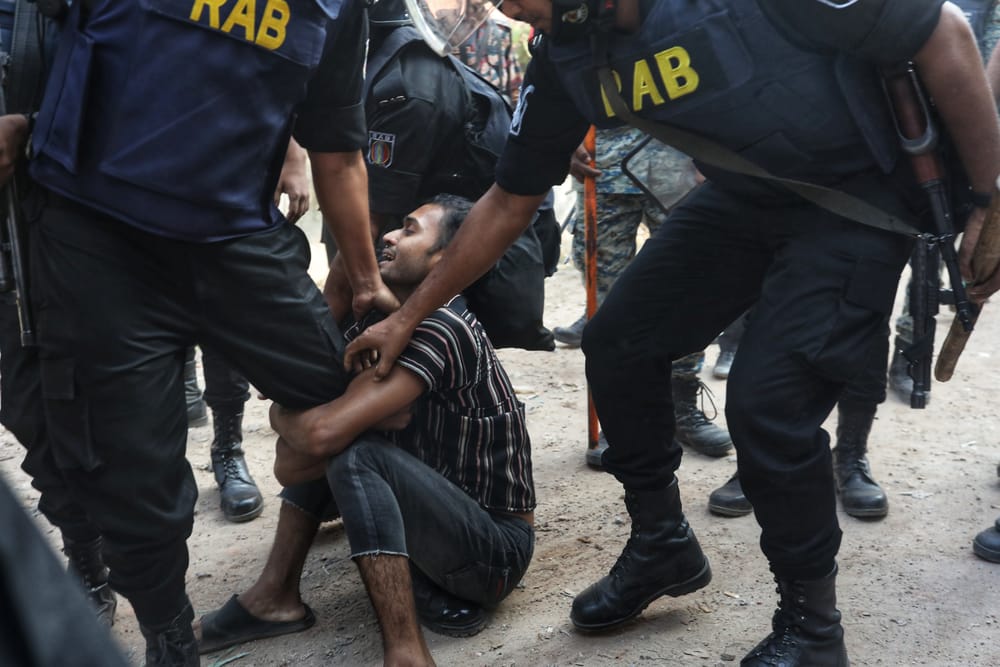
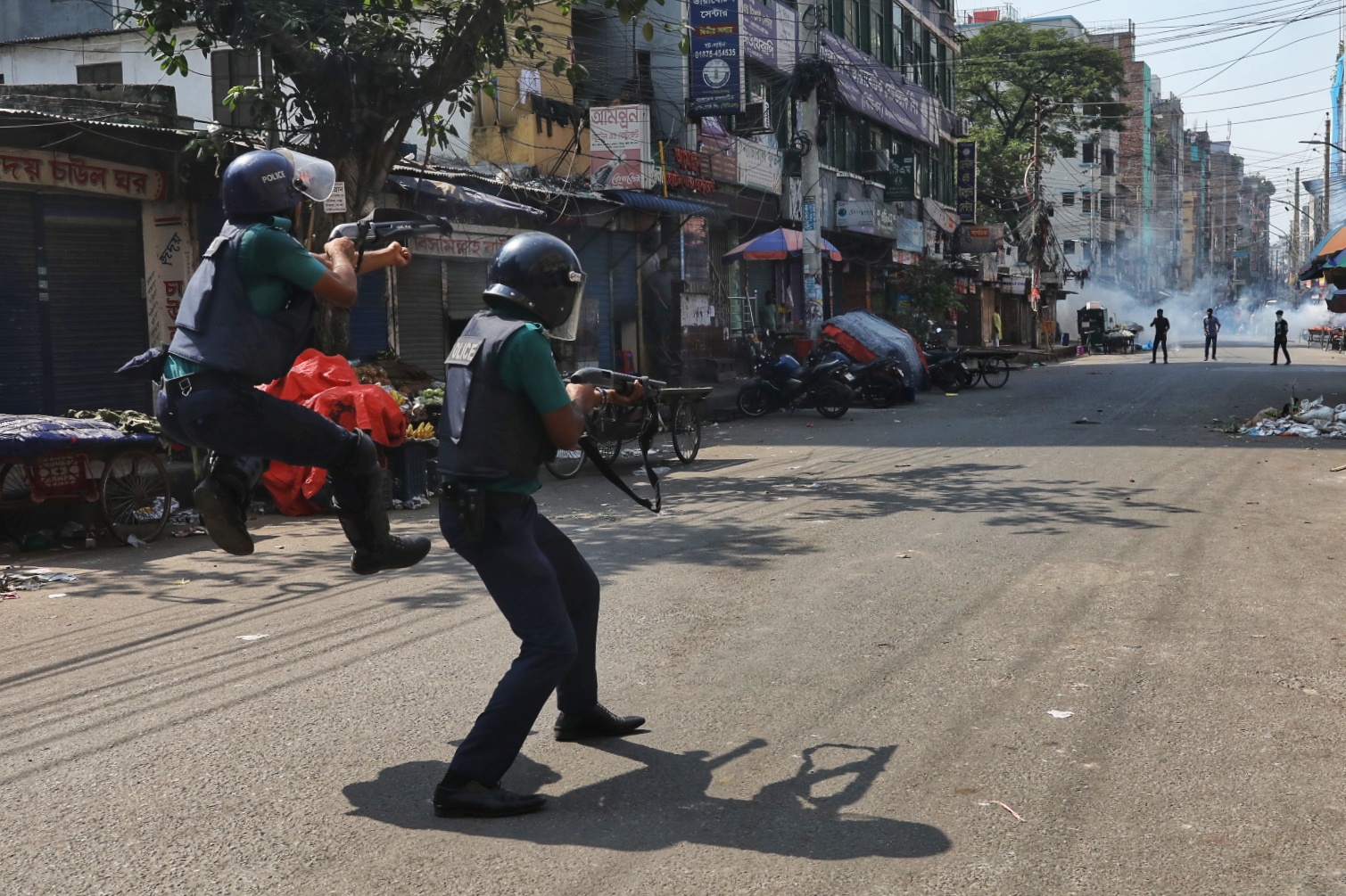
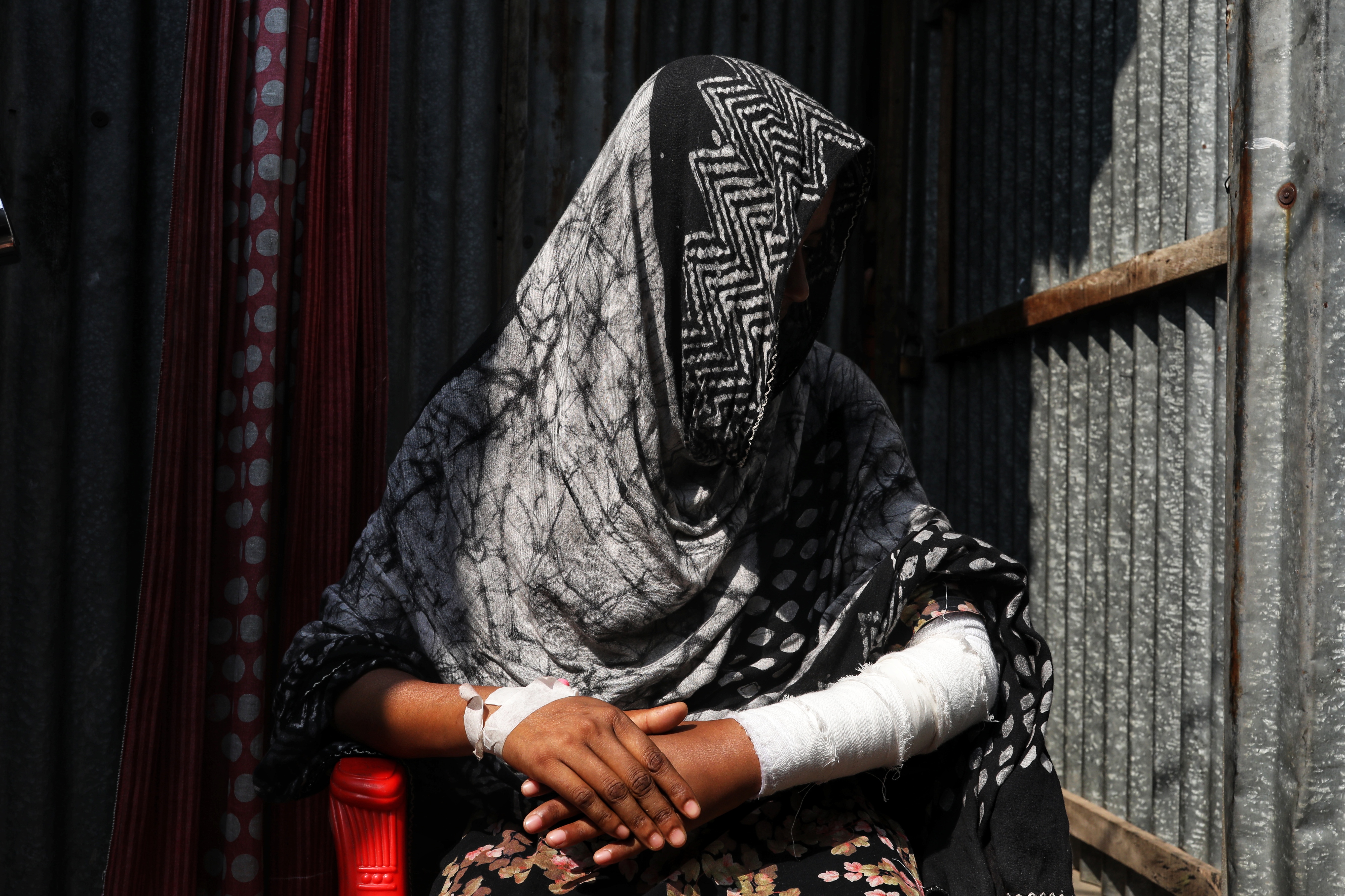
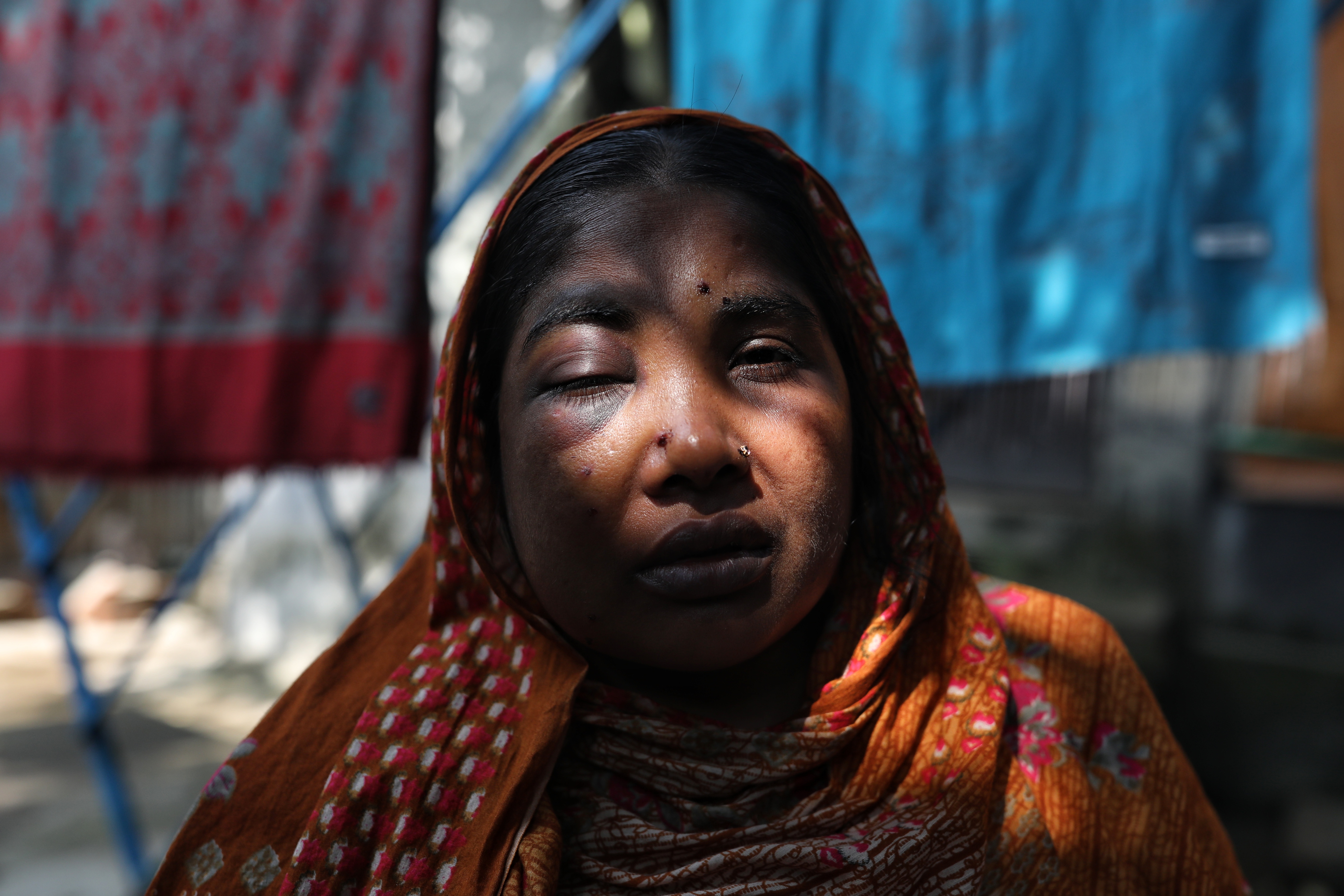
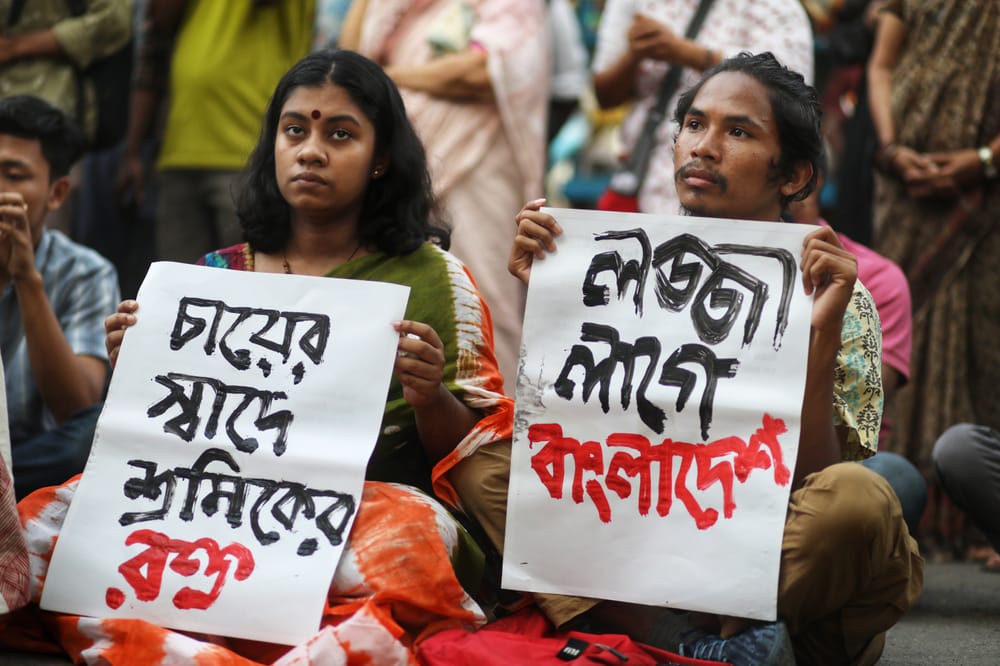
Pushed to the brink by these closures and unpaid wages, workers have no choice but to take to the streets to demand their basic rights—for dignity, safety, and survival. Yet, when they rise in protest, their voices are met with hostility. Instead of being heard, police and state forces routinely try to stop the protests with overwhelming force. Time after time, we witness workers facing batons, rubber bullets, and clouds of tear gas. Many workers get severely injured in these clashes, and just recently, a worker died while protesting in front of the Labour House itself. Their legitimate demands are politicised, discredited, and met with brutality rather than genuine political will or solutions.
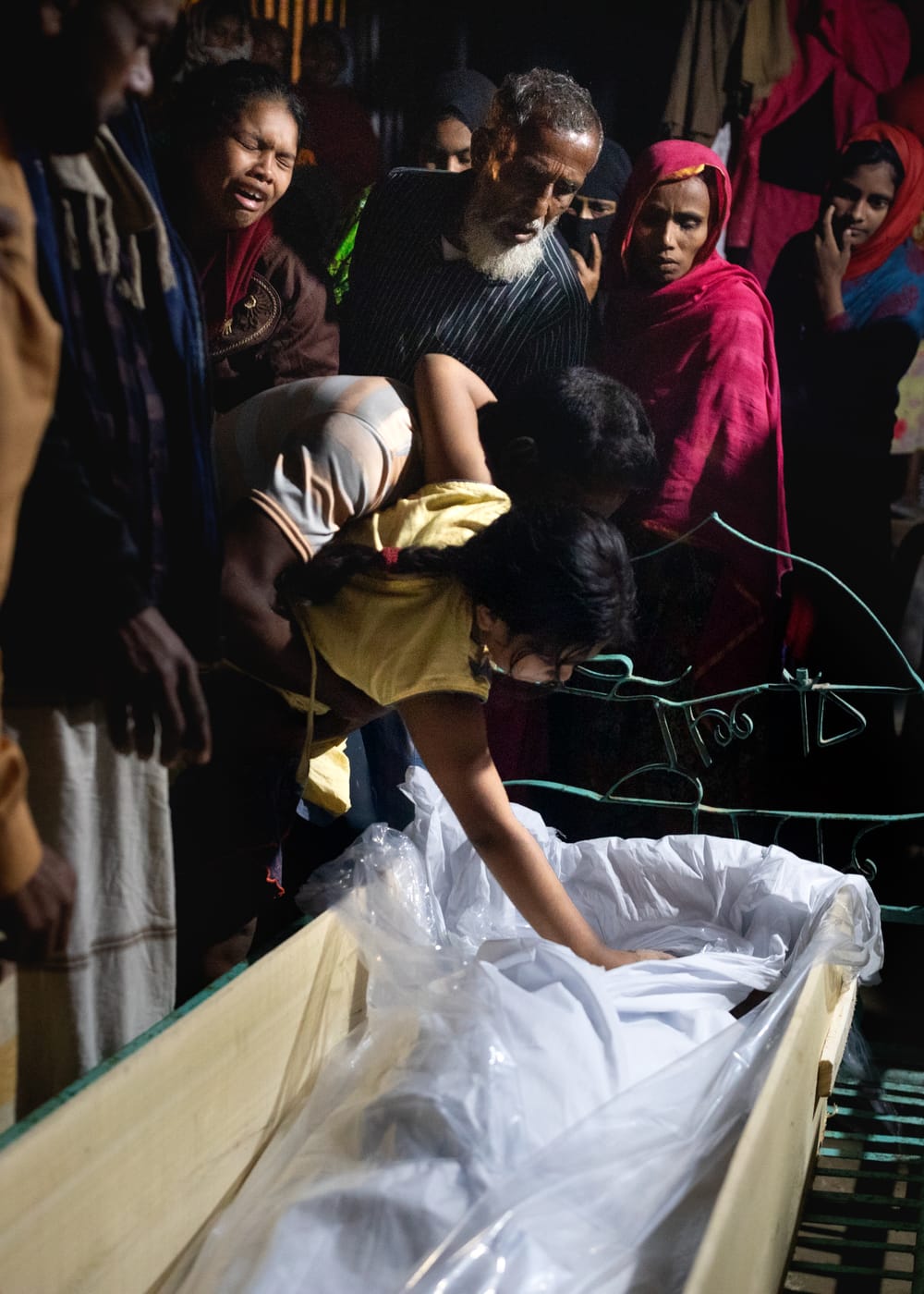
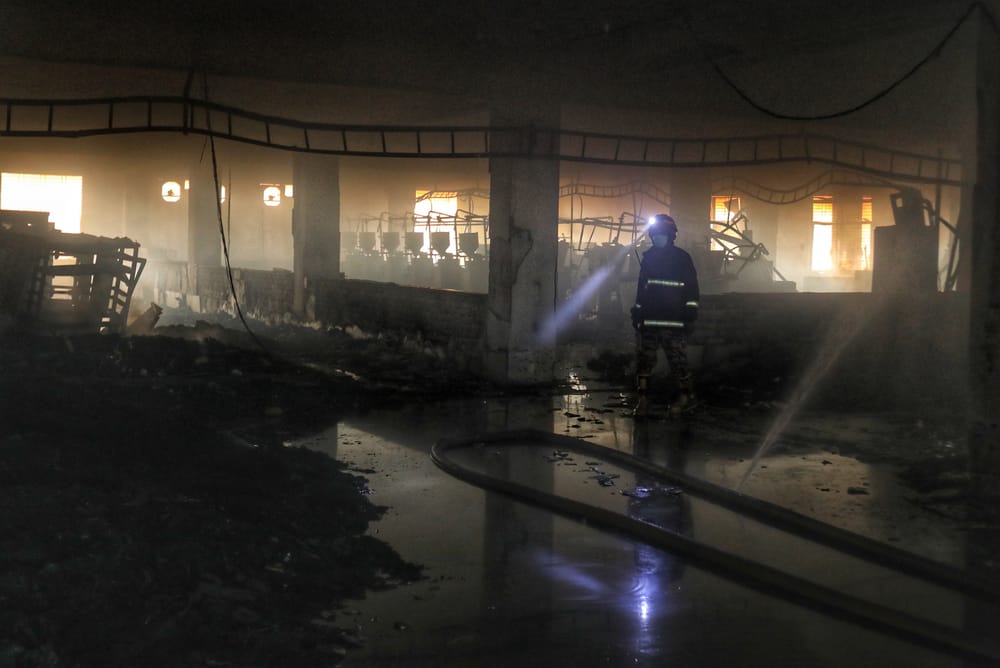
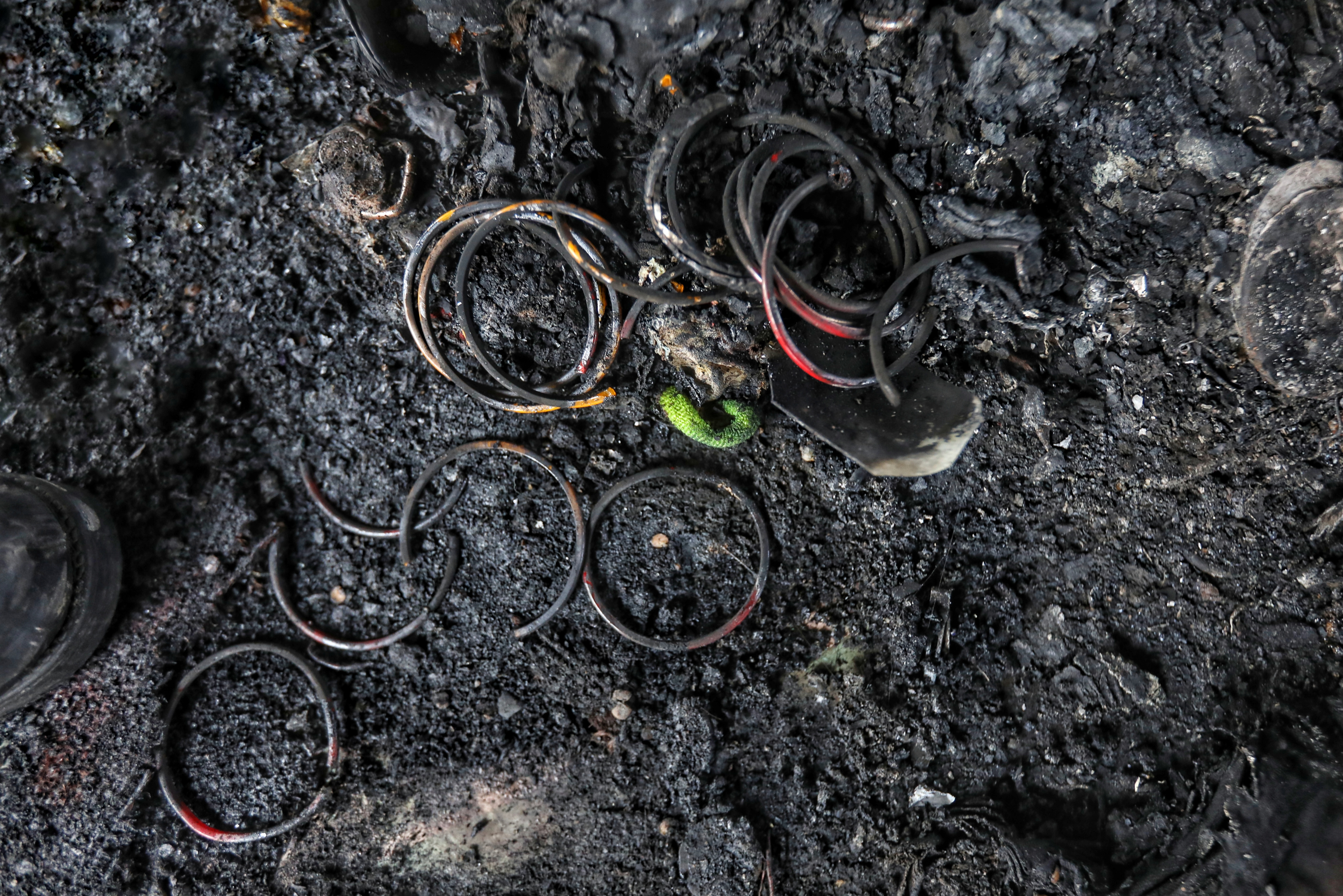
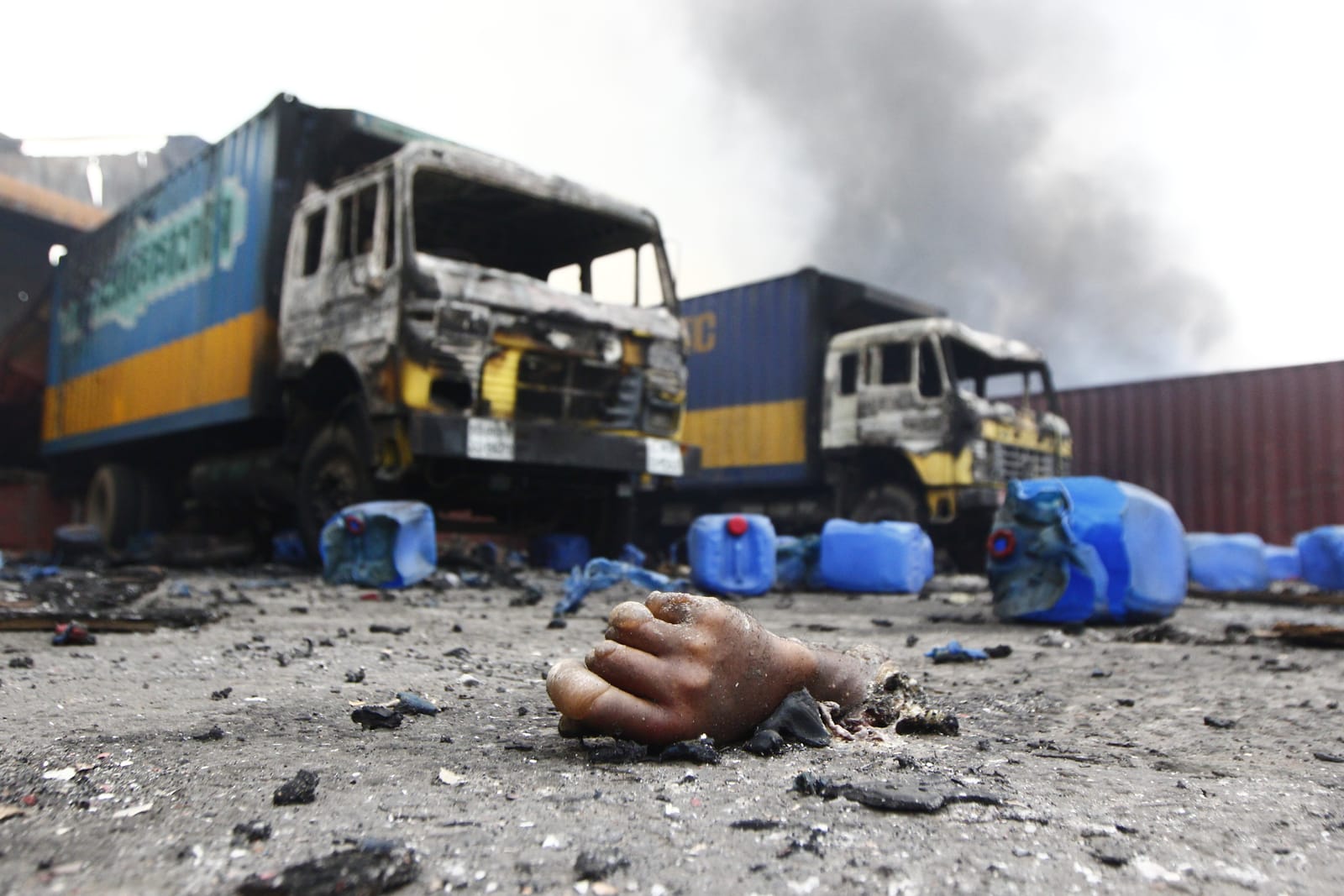
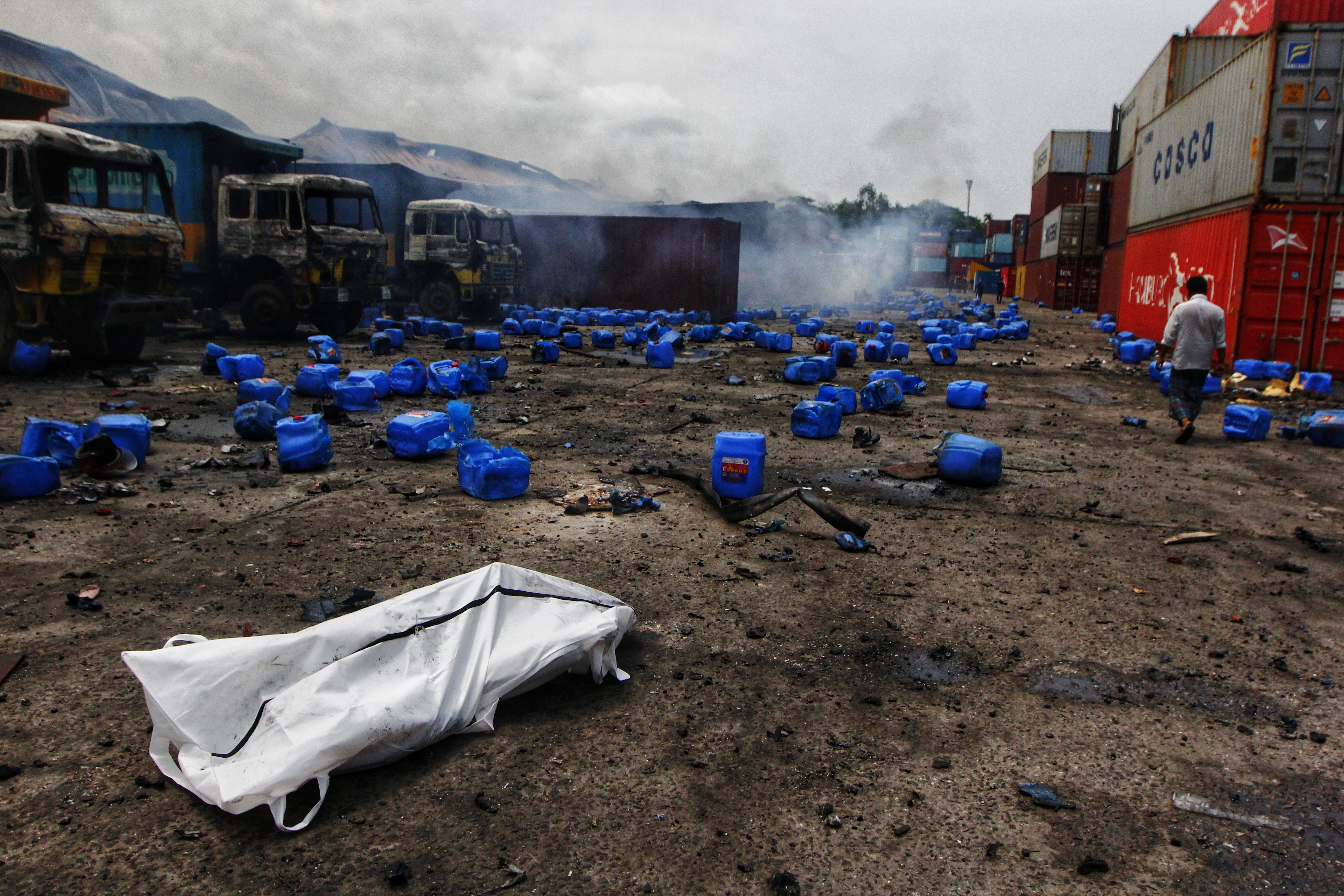
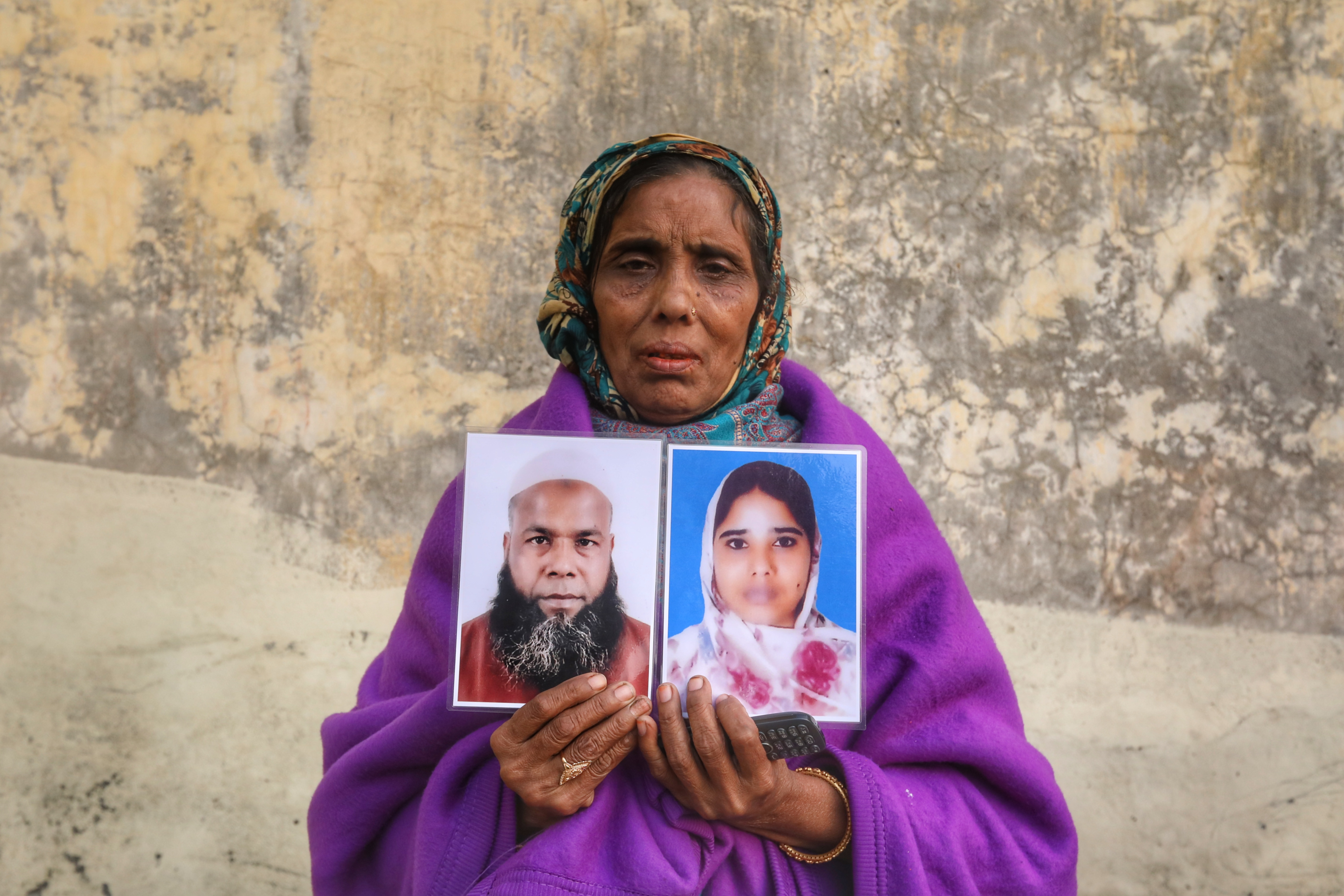
Even for those who manage to keep their jobs, their workplaces are fundamentally unsafe. Year after year, tragedy follows tragedy: factories that frequently catch fire and structural failures that force workers to their deaths. The corporate manslaughter at the collapse of Rana Plaza and the blaze at Tazreen Fashions deeply shook the conscience of the world, yet the horror continues. At a chemical factory fire in Chittagong, the devastation was unbearable—charred limbs and fragmented lives scattered amidst the agonizing screams of family members. Almost every factory may have a compliance department in name, but the reality is a vicious cycle of deadly neglect where workers are treated as expendable commodities.
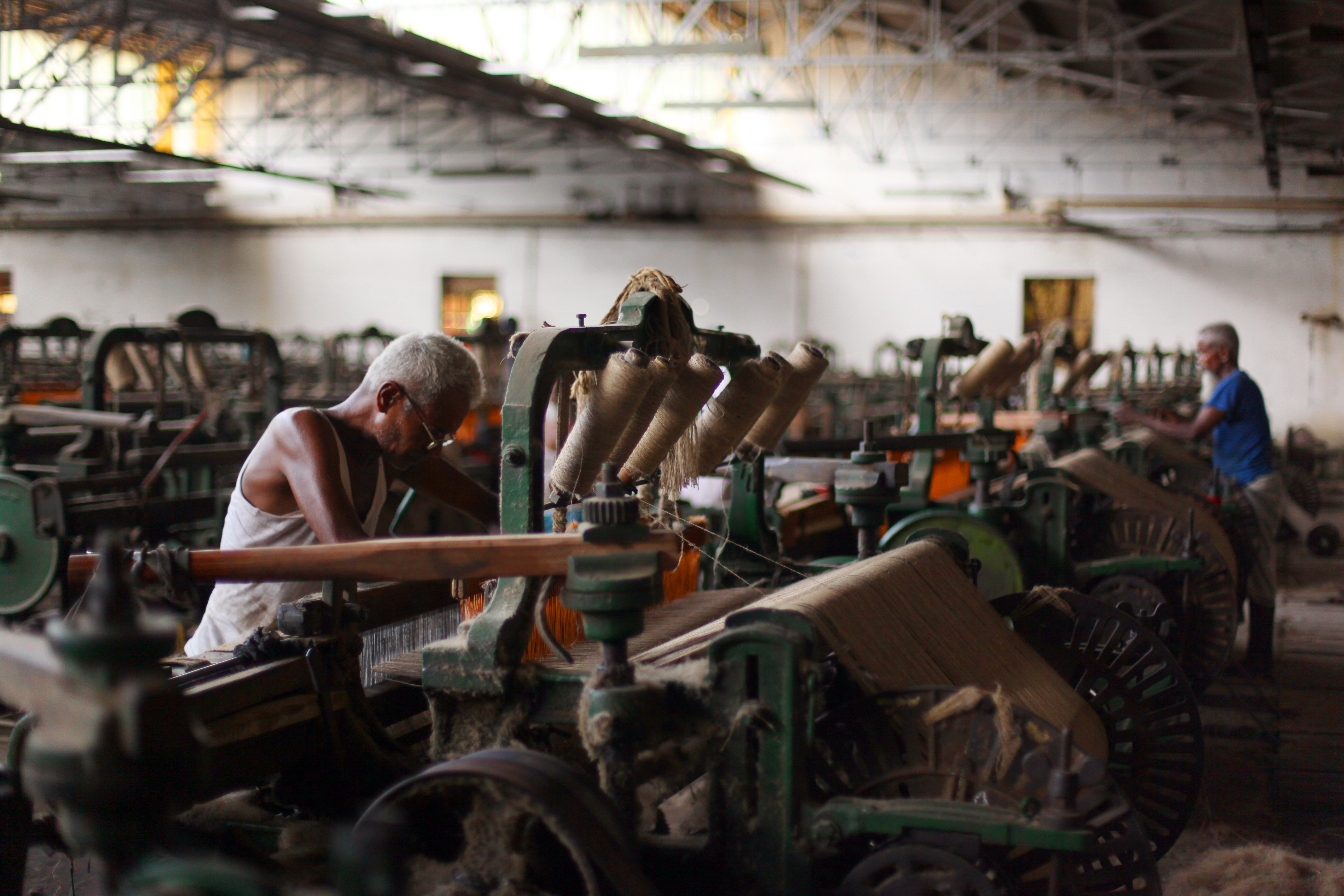
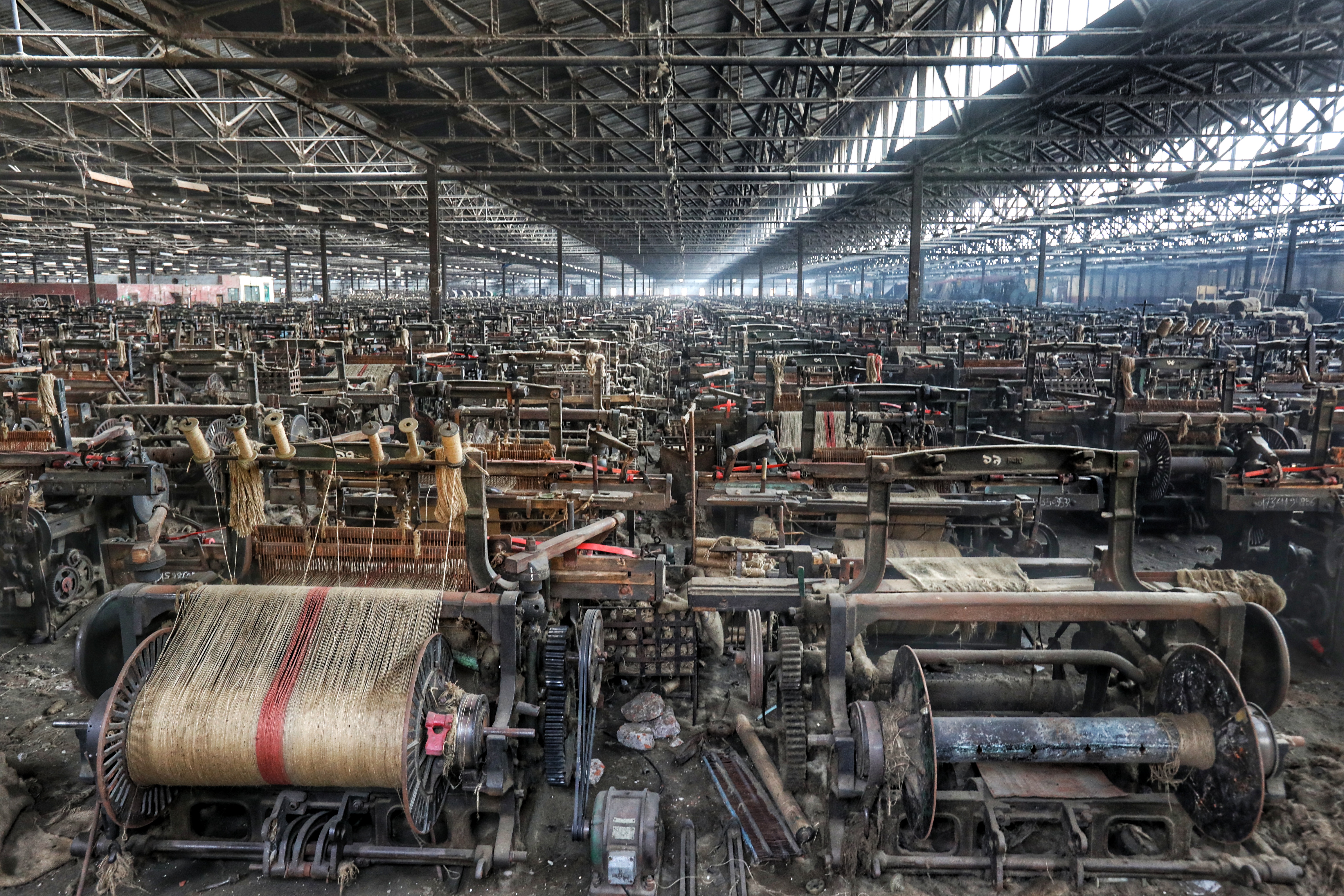
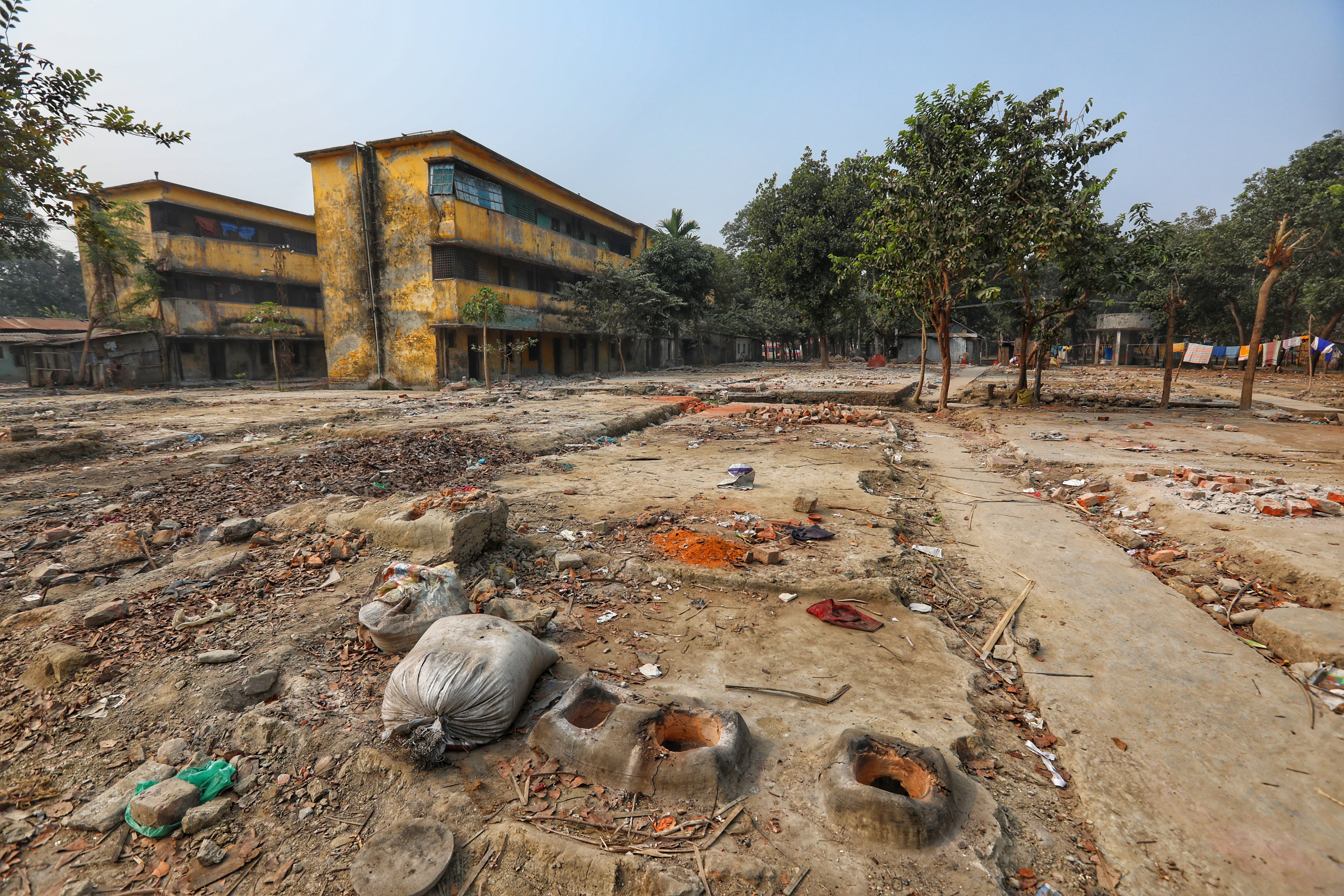
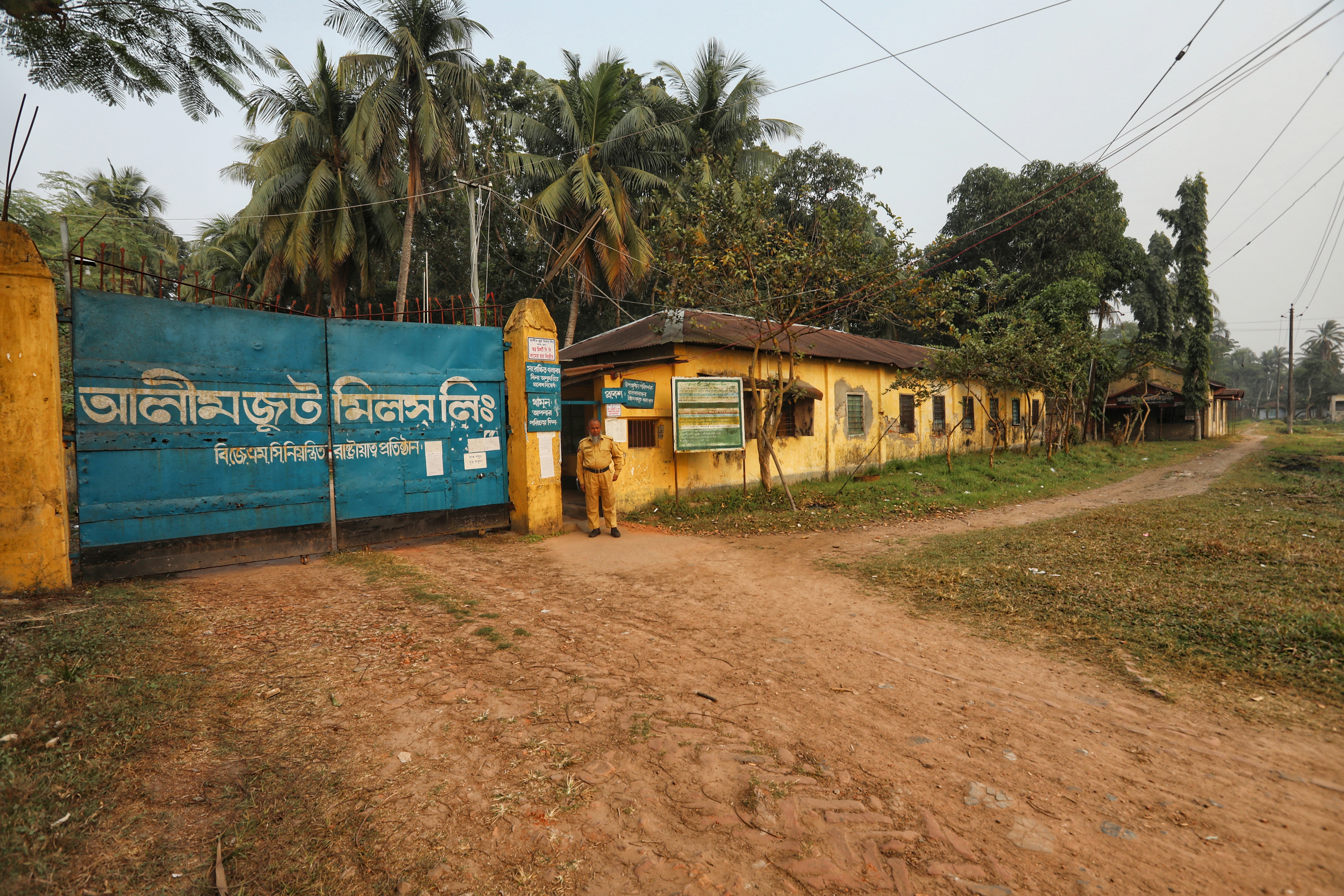
This cycle of despair is further deepened by the systematic closure of jute mills across the country, especially in Khulna. Once the backbone of Bangladesh’s industrial heritage, these mills sustained thousands of workers whose lives have now been abruptly halted. With the jute factories closed, there is once again no work. Generations of laborers have been left stranded without a safety net, pushed to the absolute margins of a system that only remembers them when it is convenient.
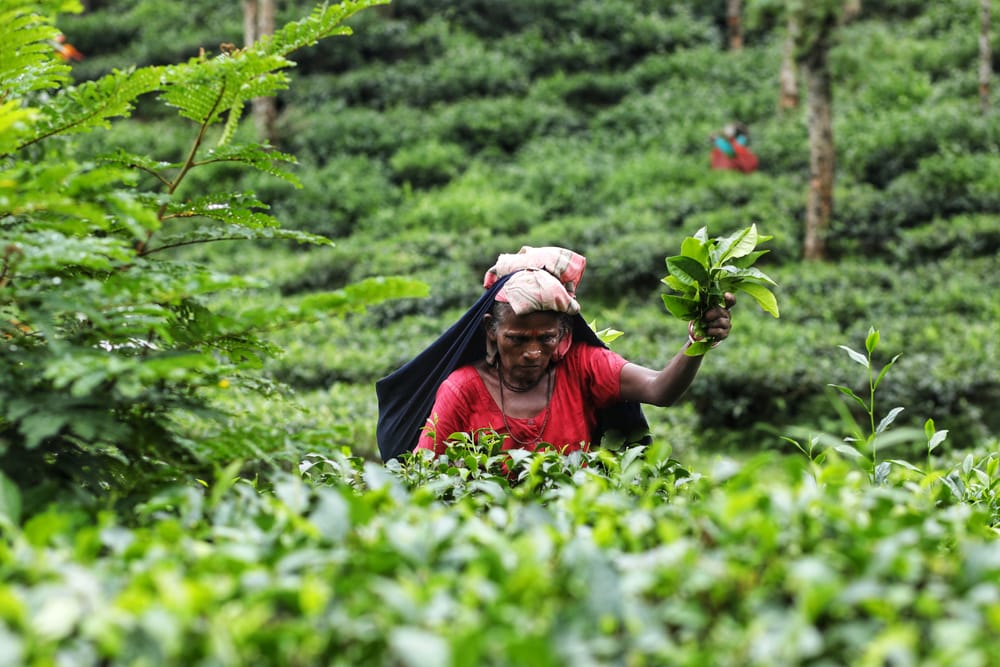
From the garment floors to the shuttered jute mills, this pattern of unseen labor builds the nation but destroys the individual. And this raw exploitation extends far beyond the city limits. Look at the tea plantations. Each tea leaf plucked whispers about unjust pay and the enduring shadows of colonial rule. Year after year, tea labourers have been fighting just to raise their meagre wages, all while enduring inhumane, degrading living conditions. Their relentless, quiet struggle serves as a stark reminder of a harsh reality: those who carry this nation on their backs are the ones suffering the most.