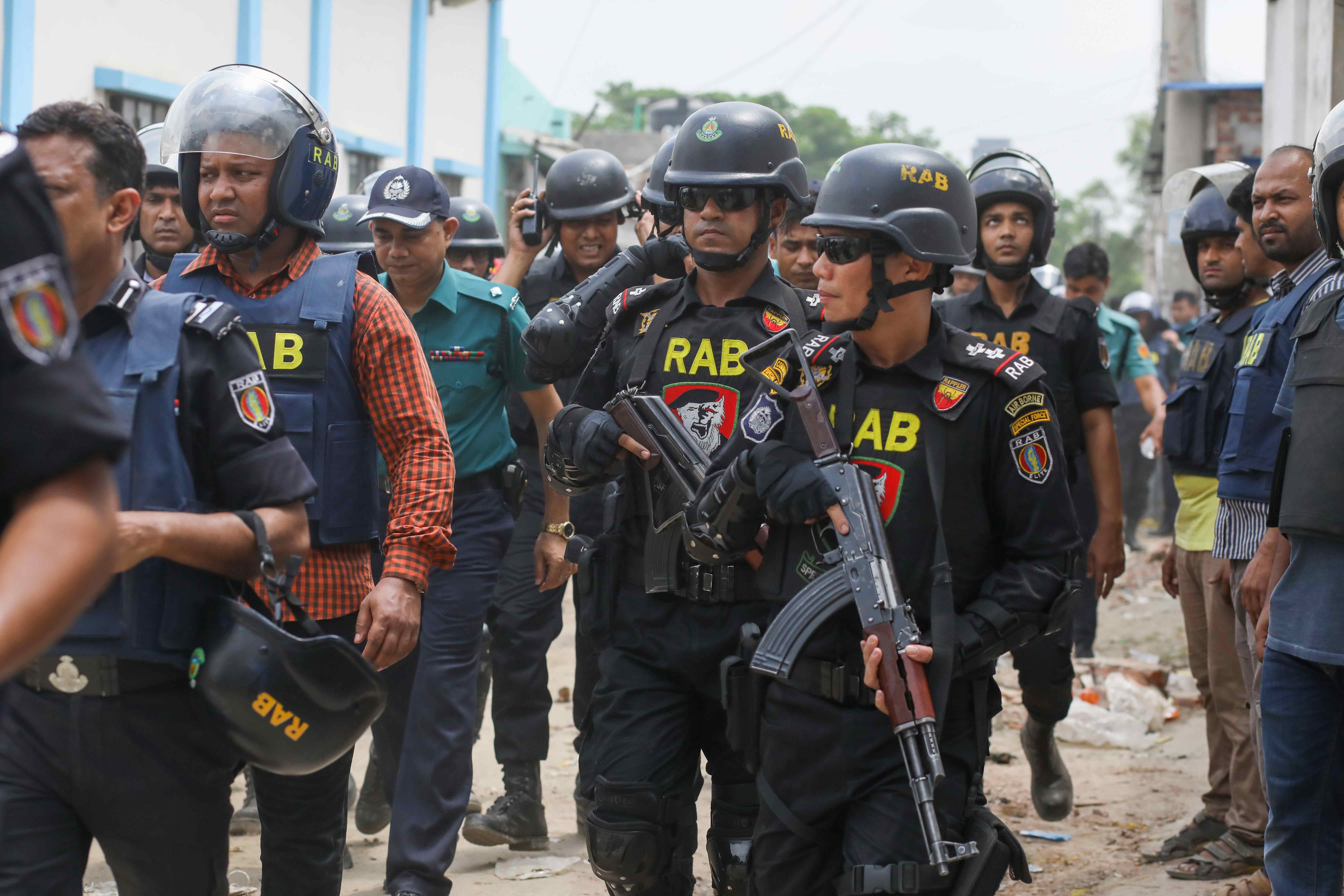
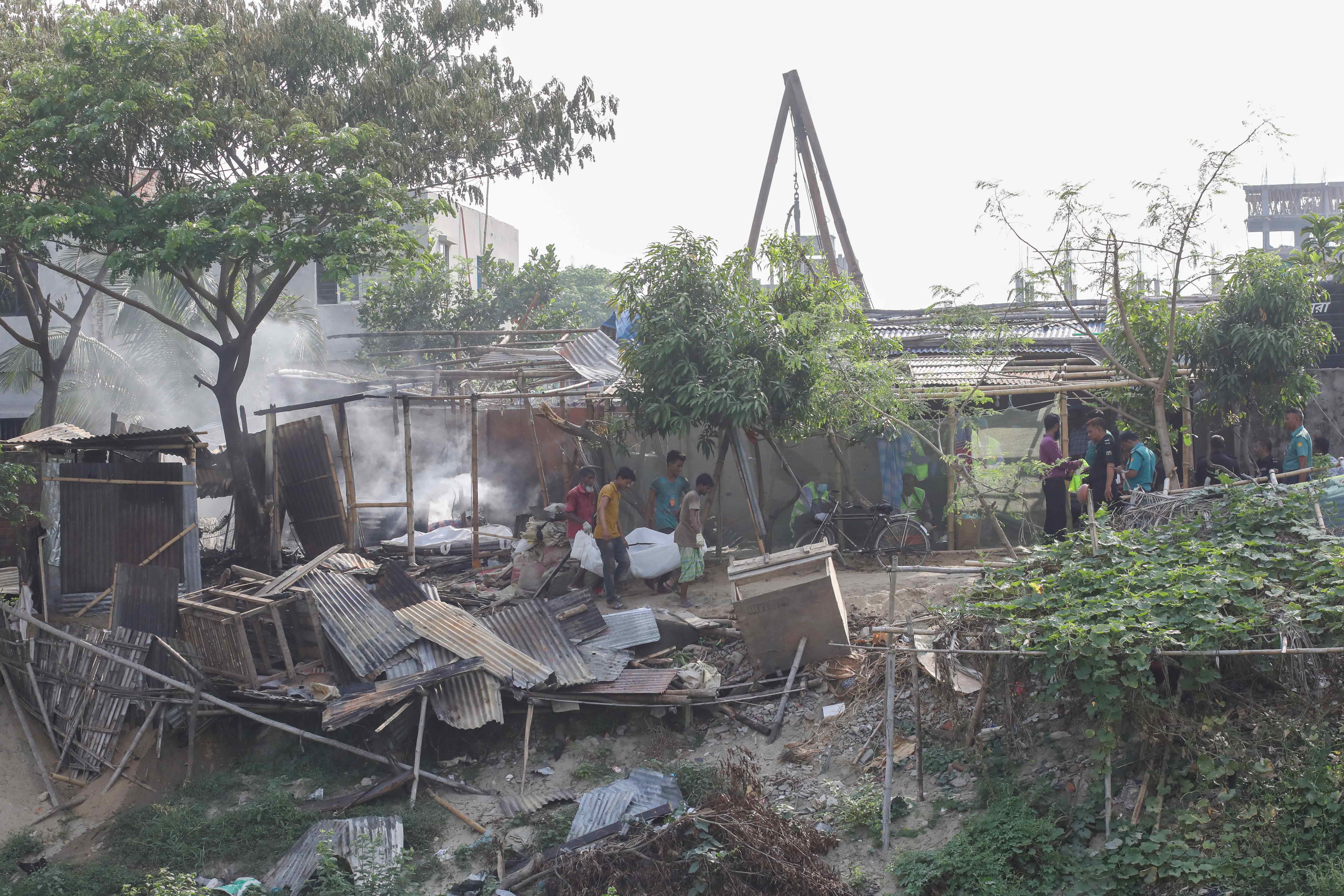
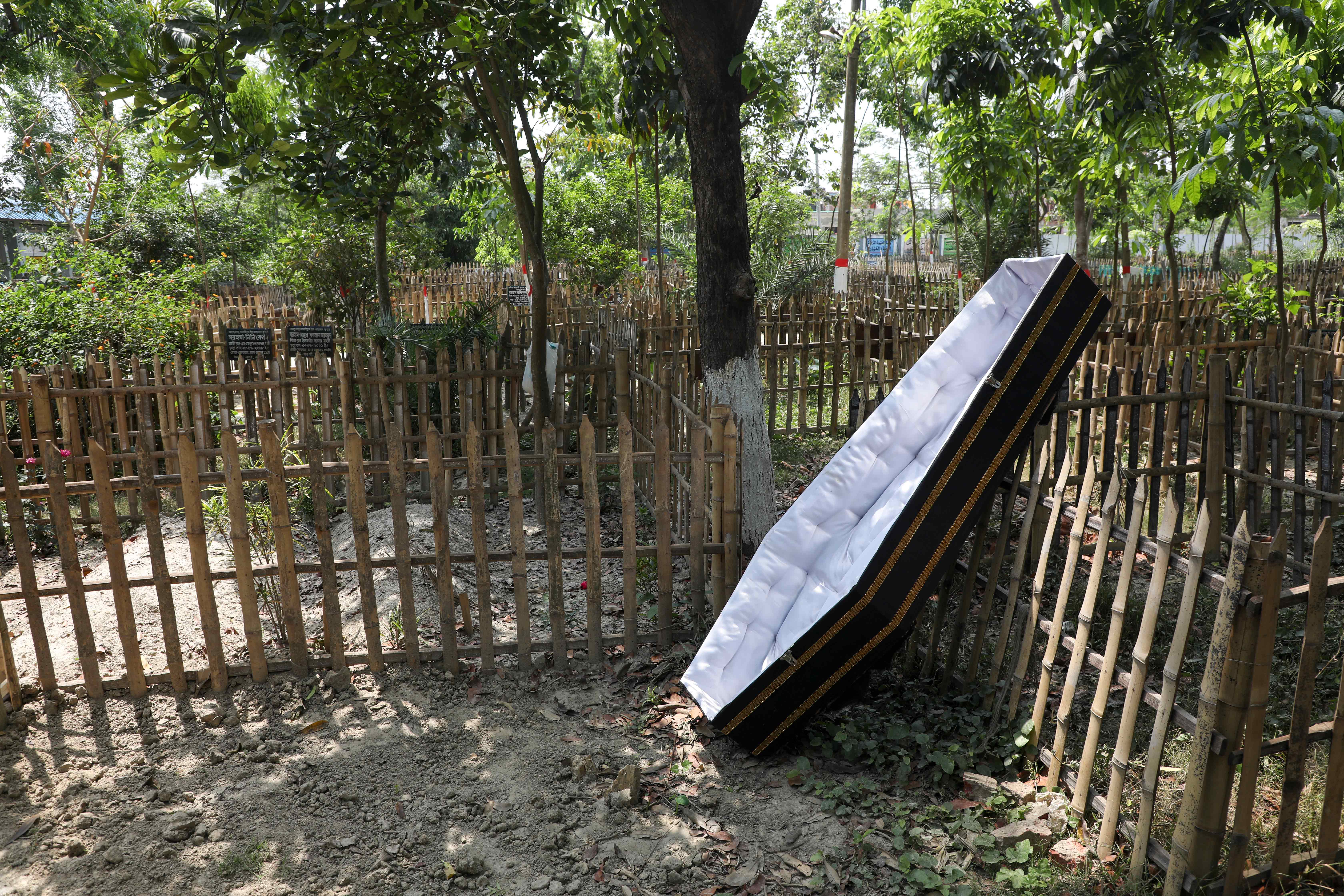
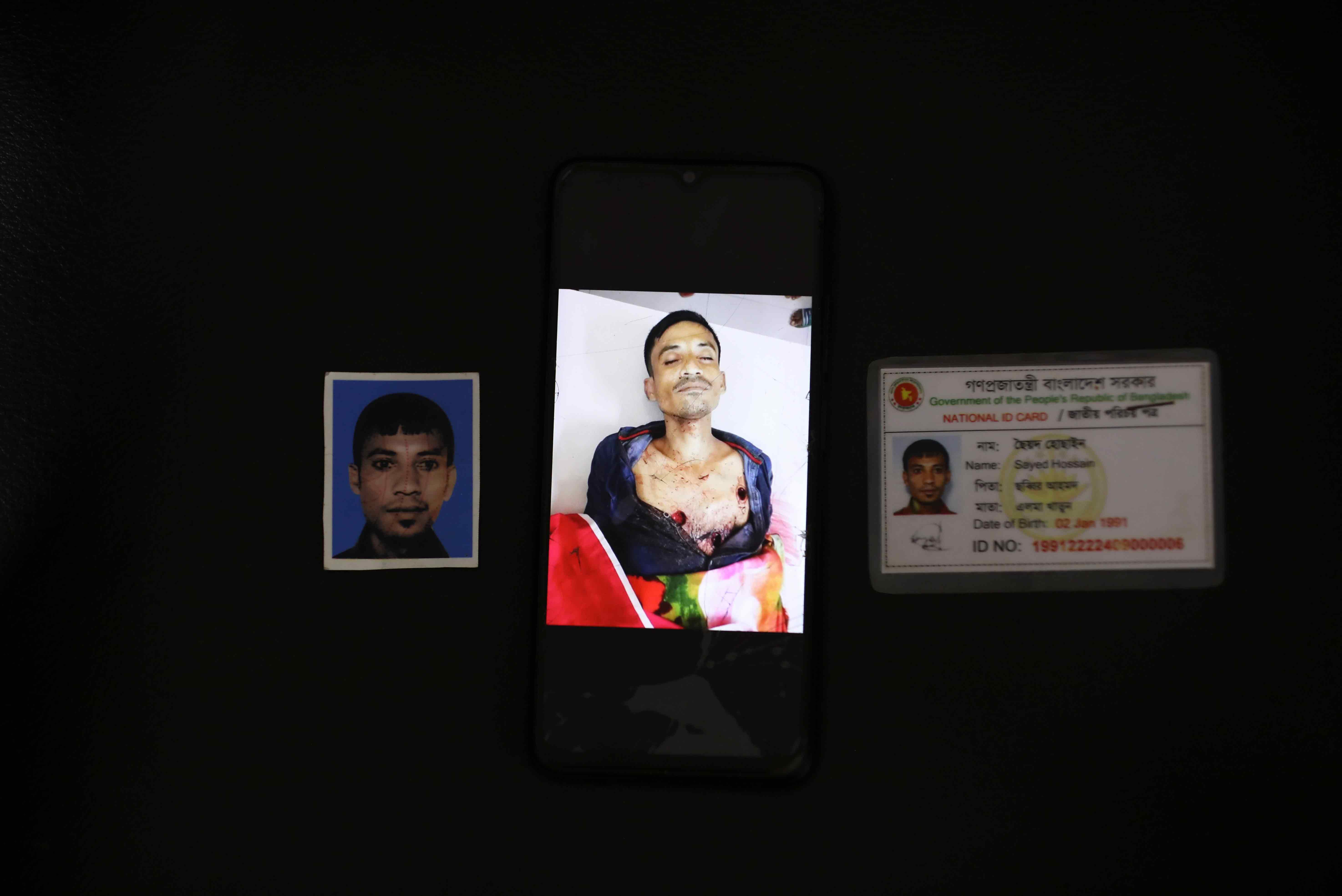
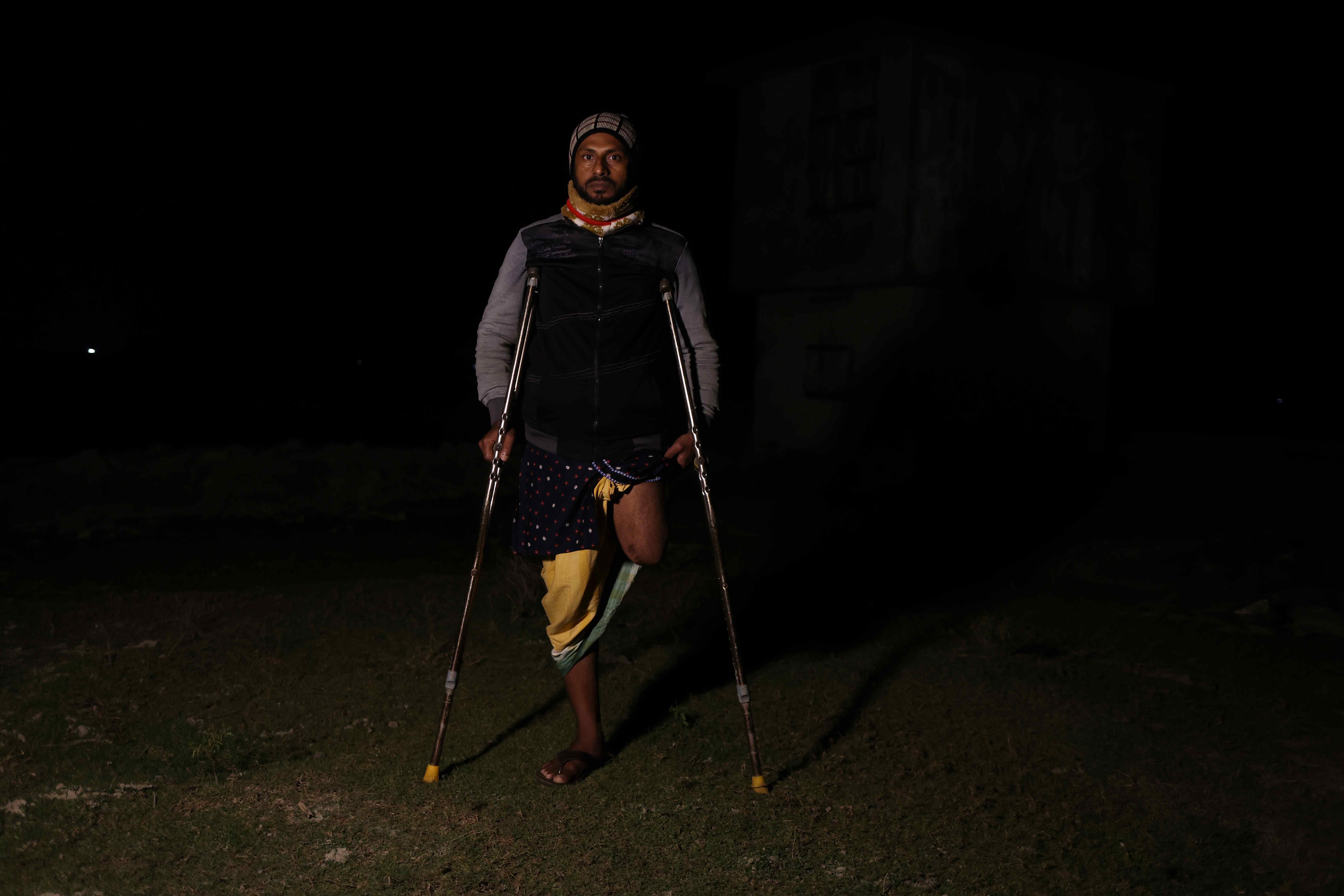
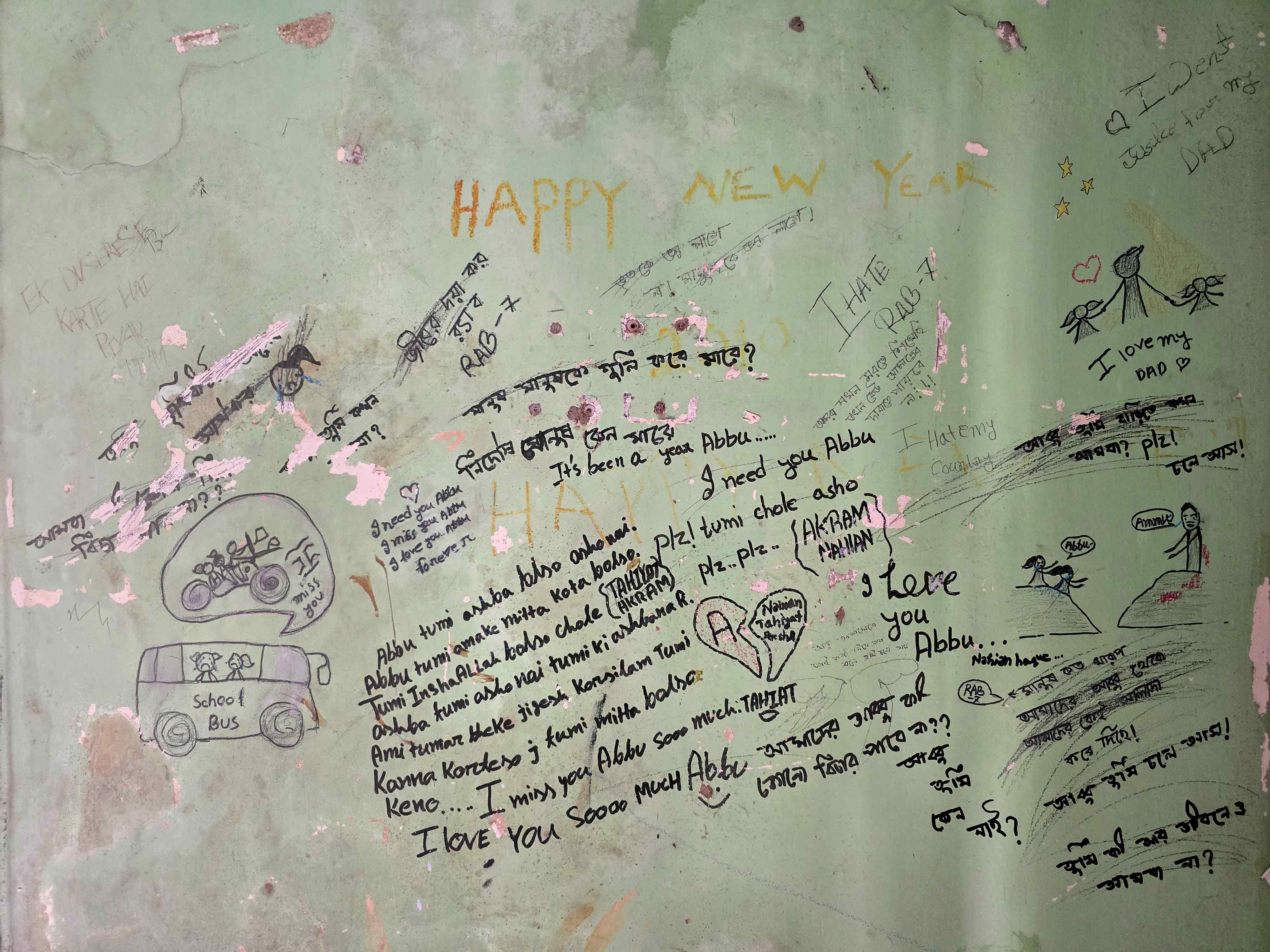
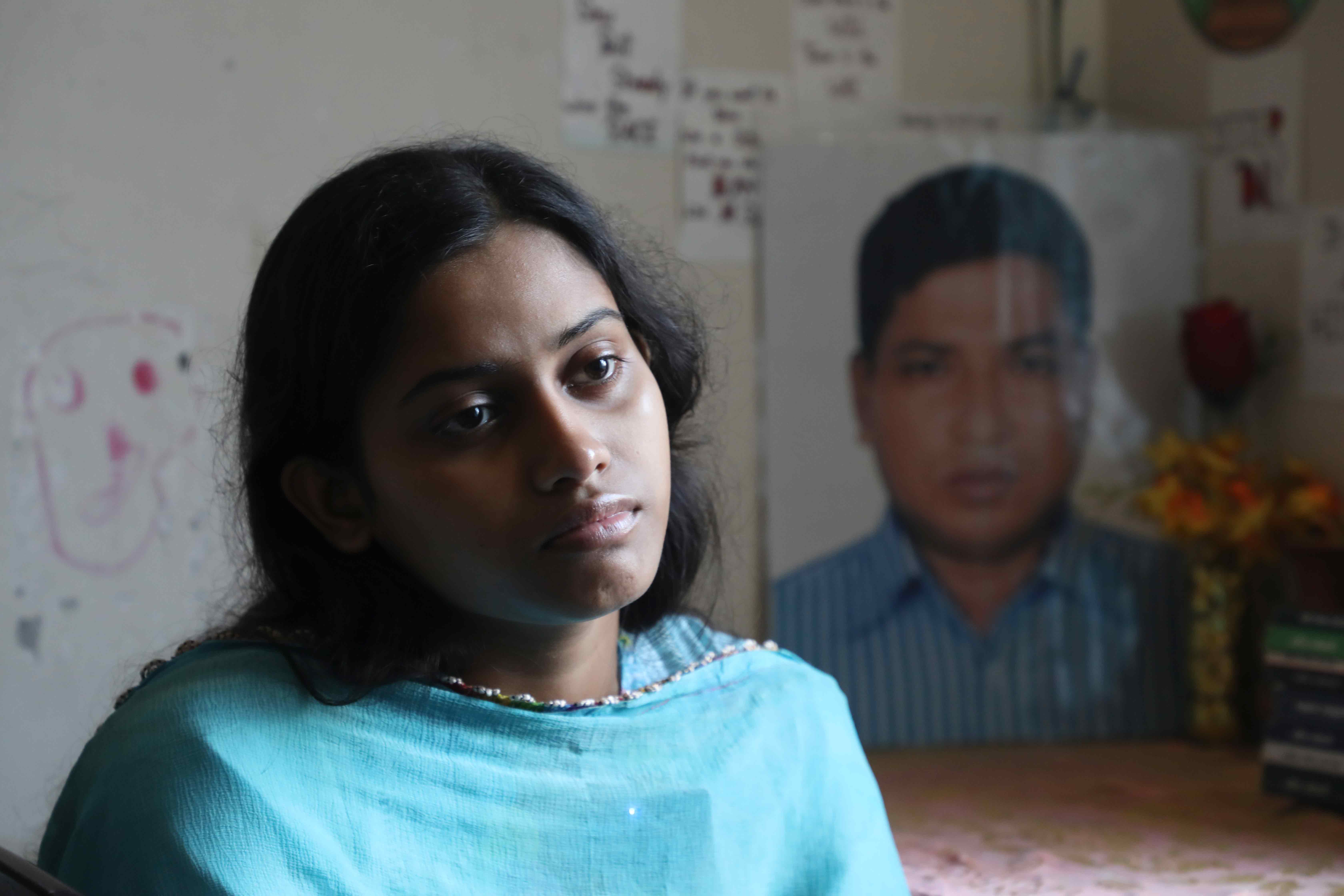
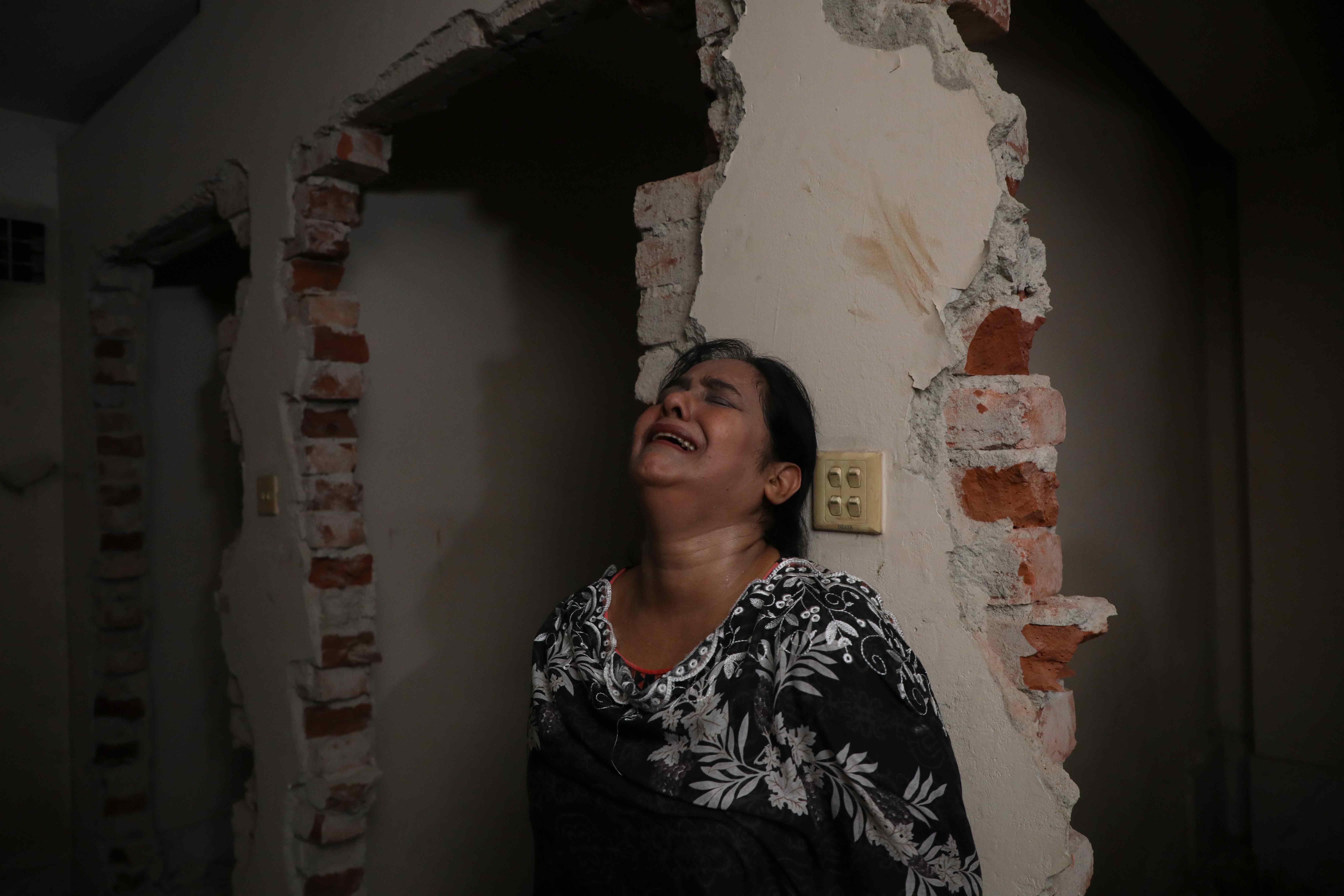
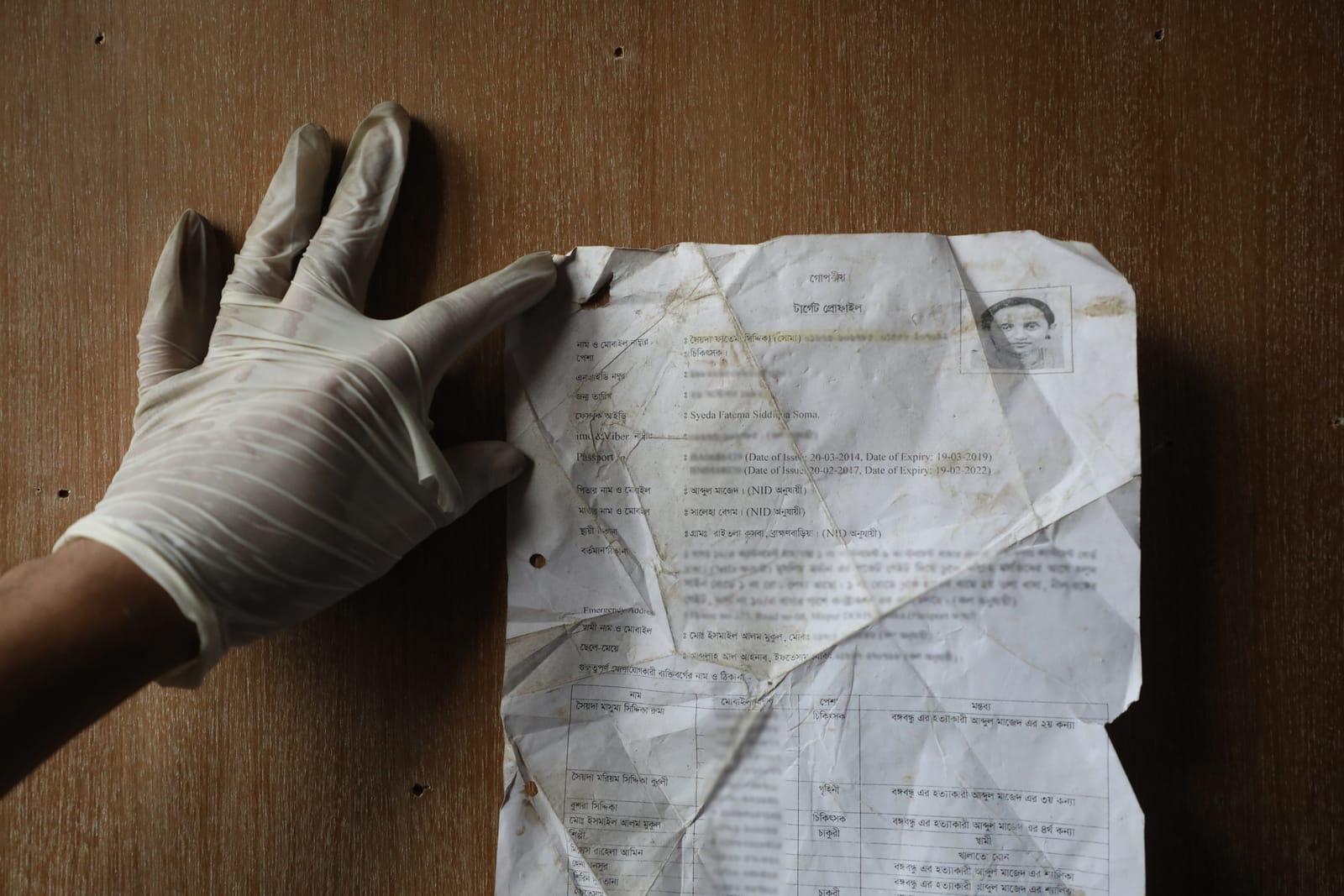
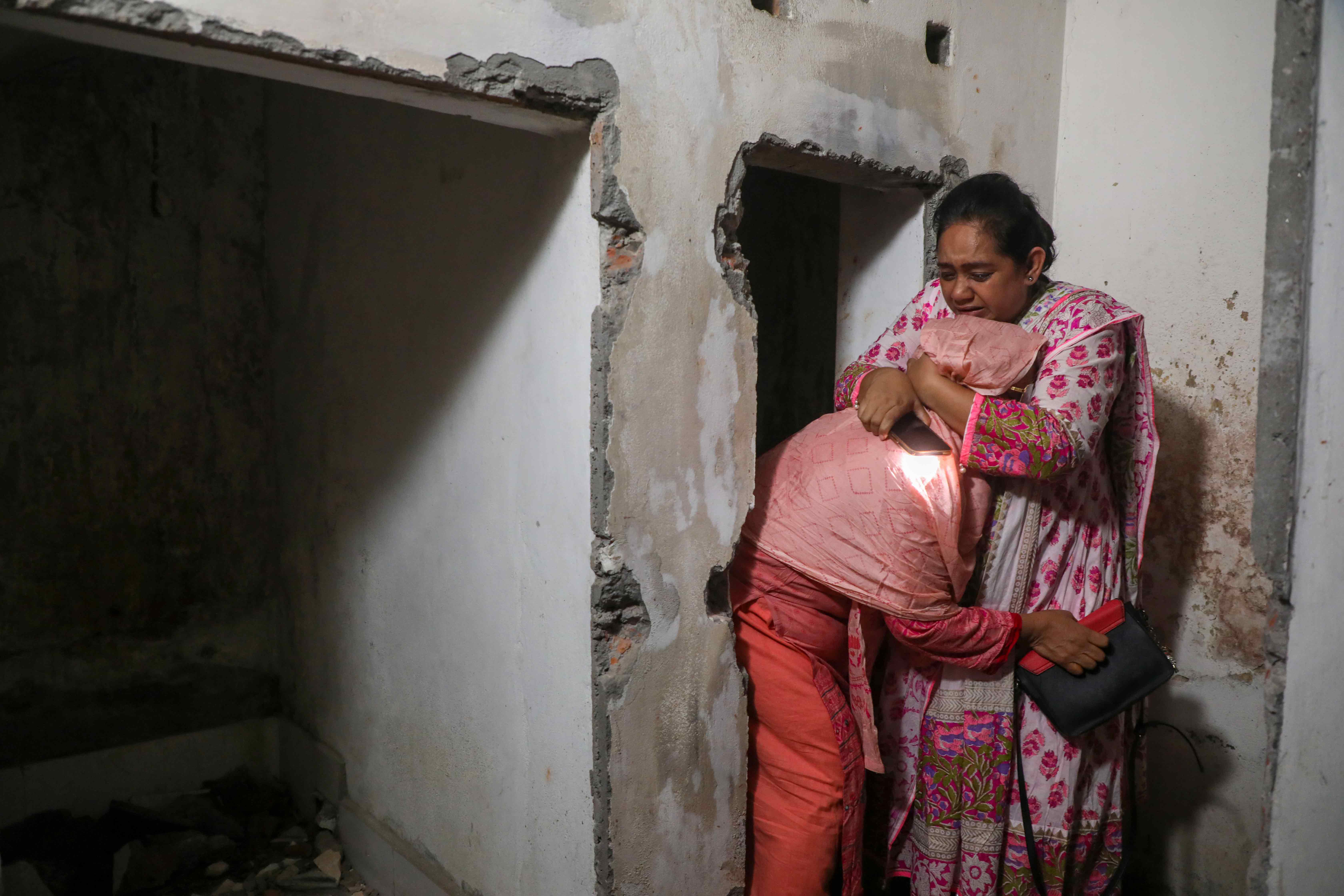
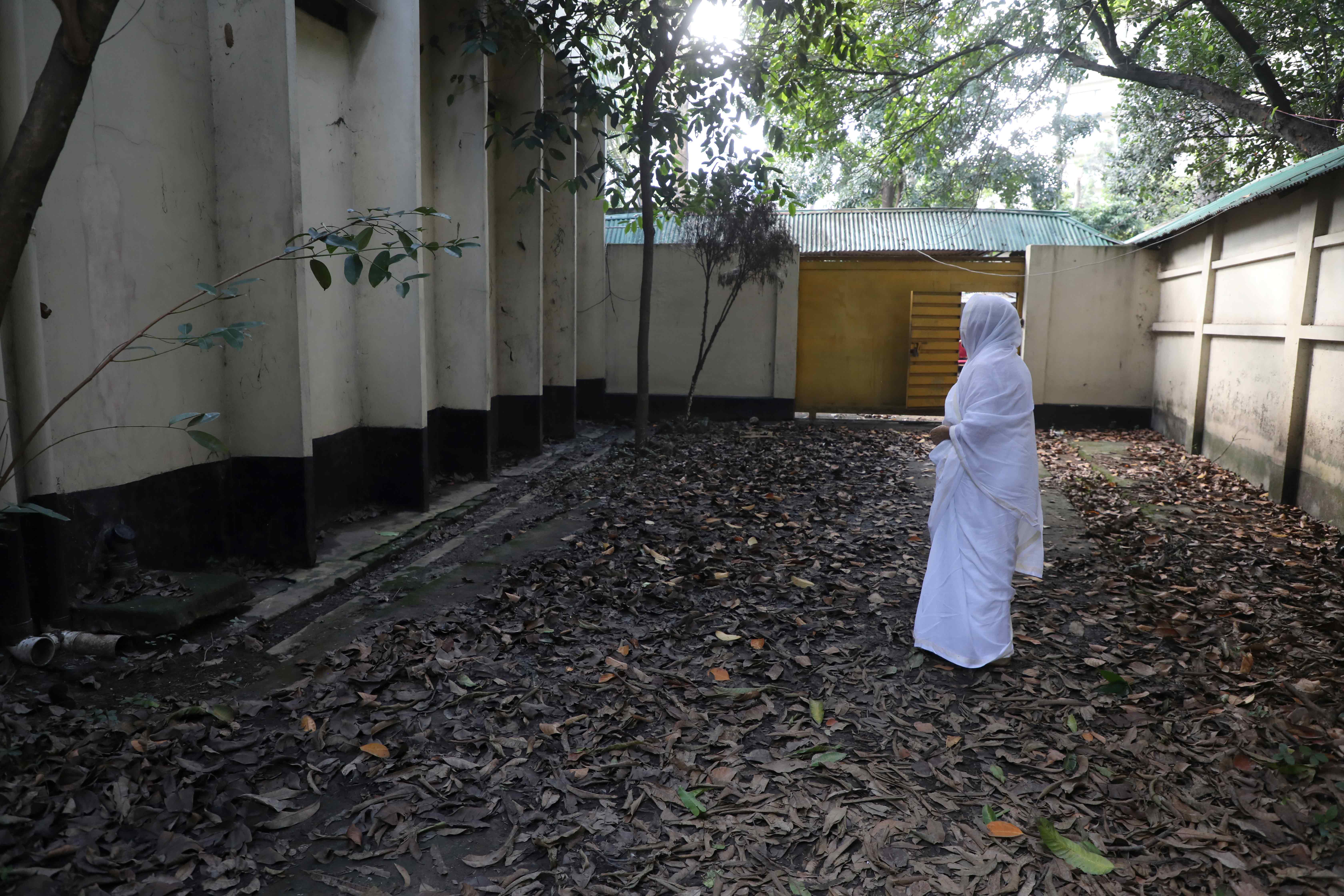
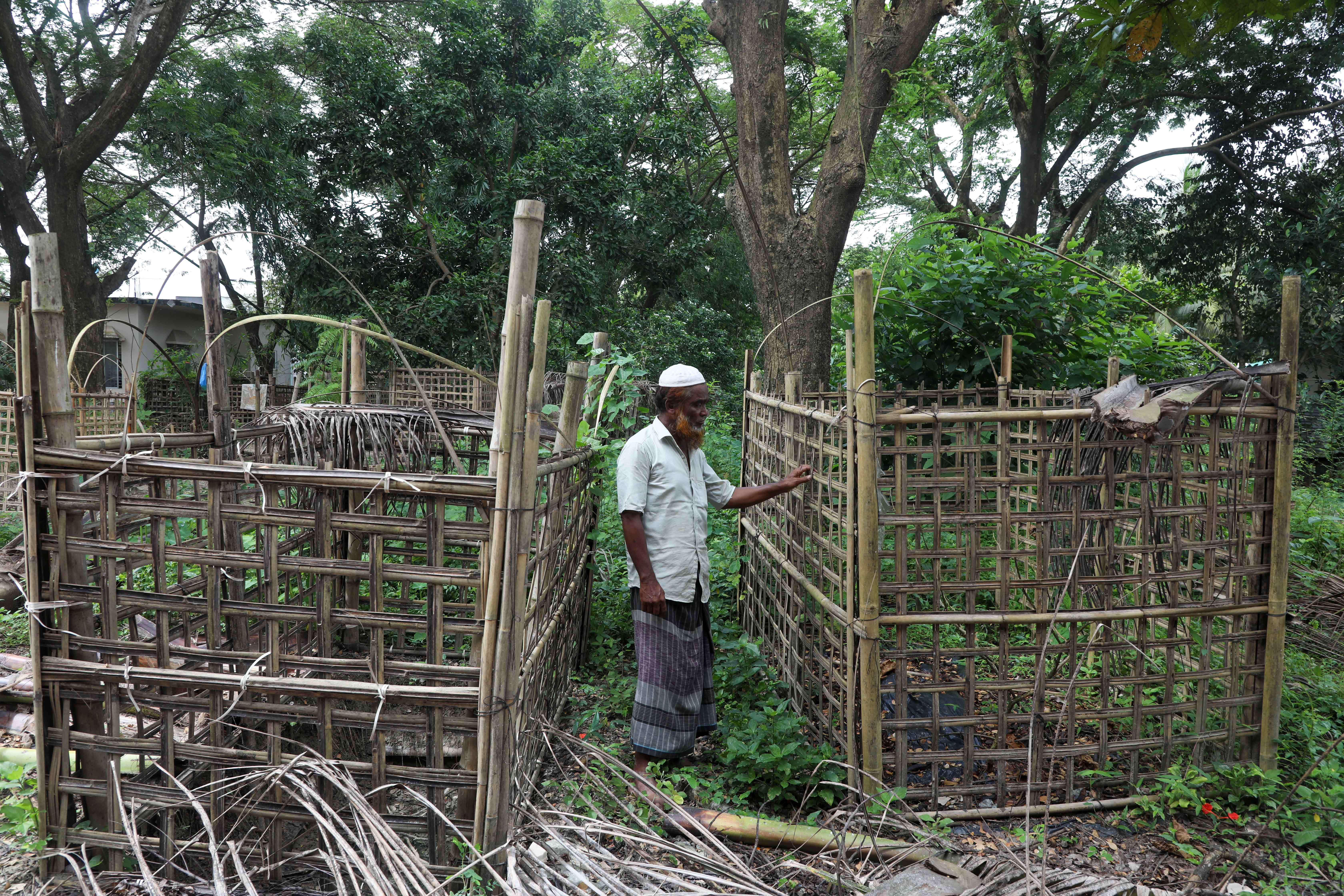
Shadows wFor more than a decade, enforced disappearances and extrajudicial killings cast a long shadow over Bangladesh. During Sheikh Hasina’s rule, thousands of families were torn apart as men were taken from homes, buses, or workplaces by plainclothes officers. Many never returned. At the center of these allegations stood the Rapid Action Battalion (RAB), an elite paramilitary force formed in 2004 to combat crime and militancy. Over time, RAB became synonymous with “crossfire” killings — a term used by authorities to describe deaths during alleged gunfights. Human rights organizations documented a different reality: detainees killed in custody, bodies bearing signs of torture, and staged narratives that denied victims their right to justice.
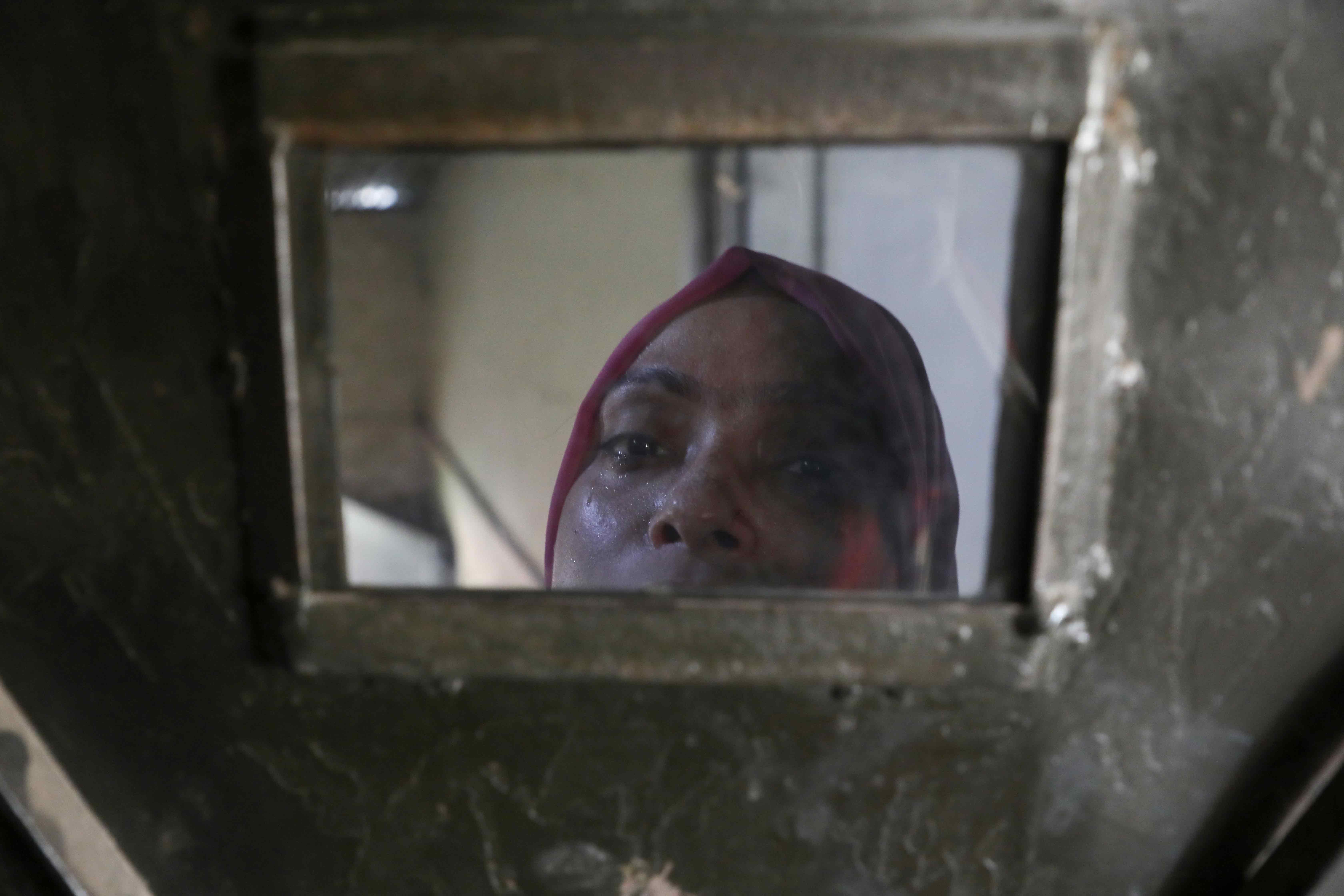
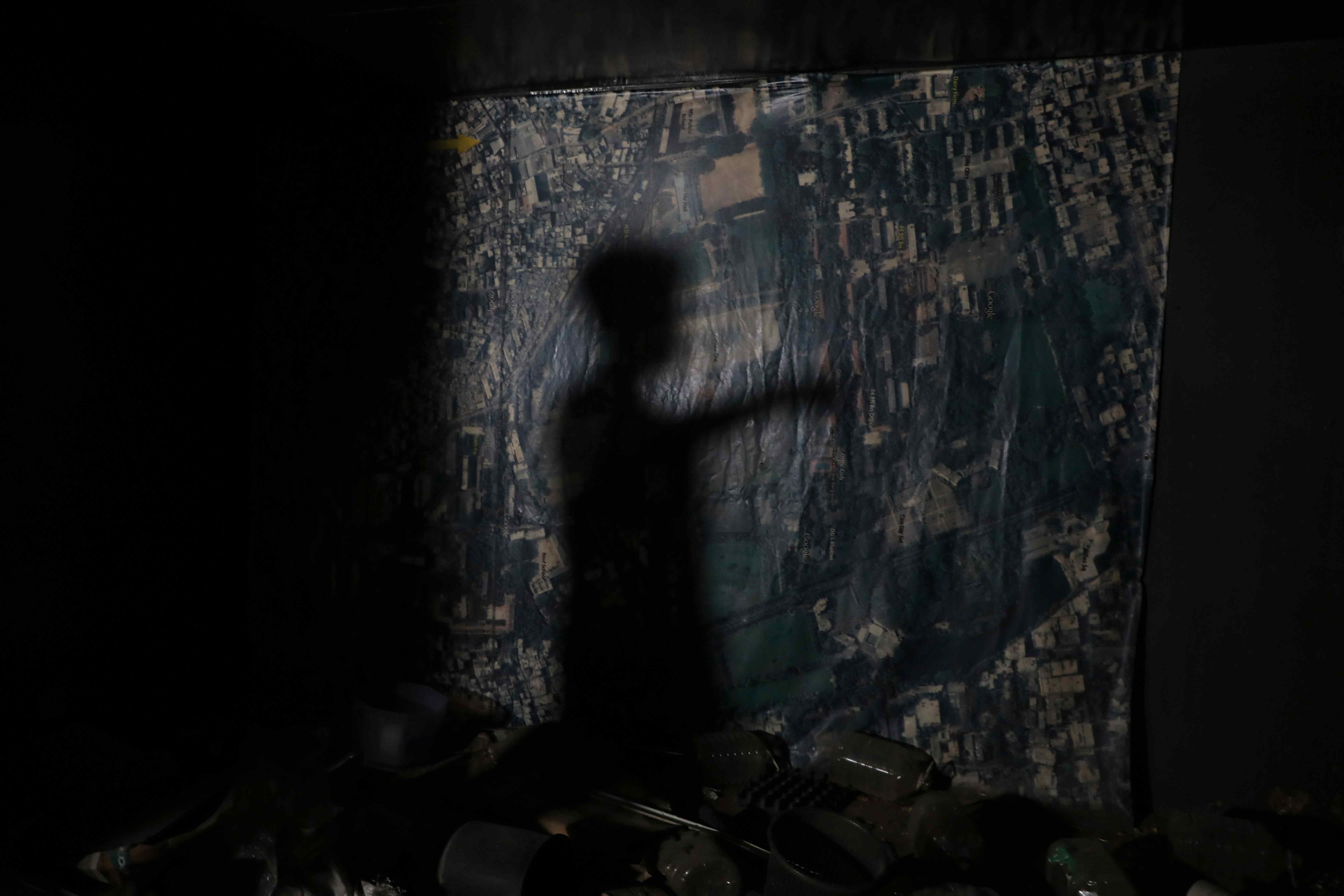
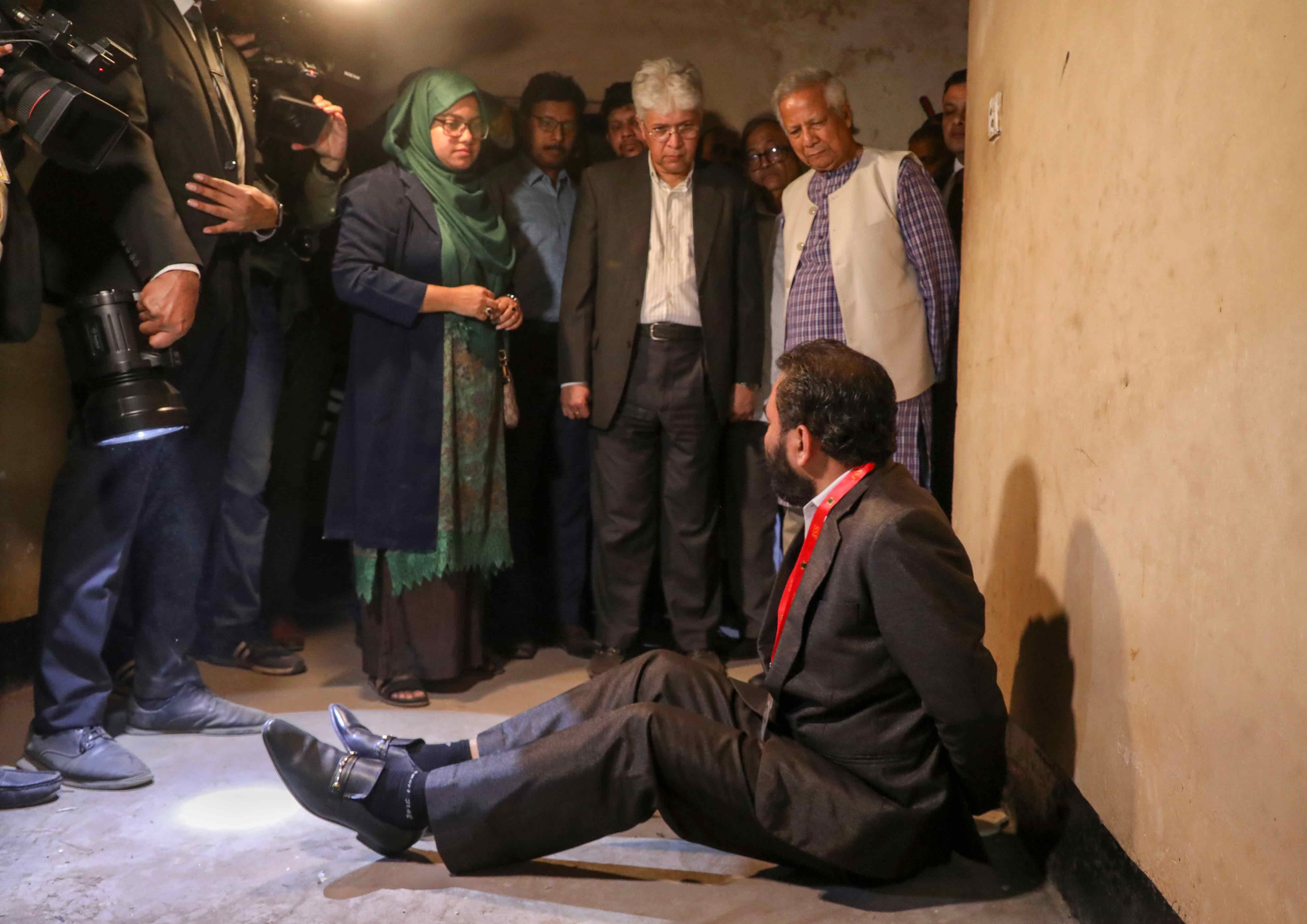
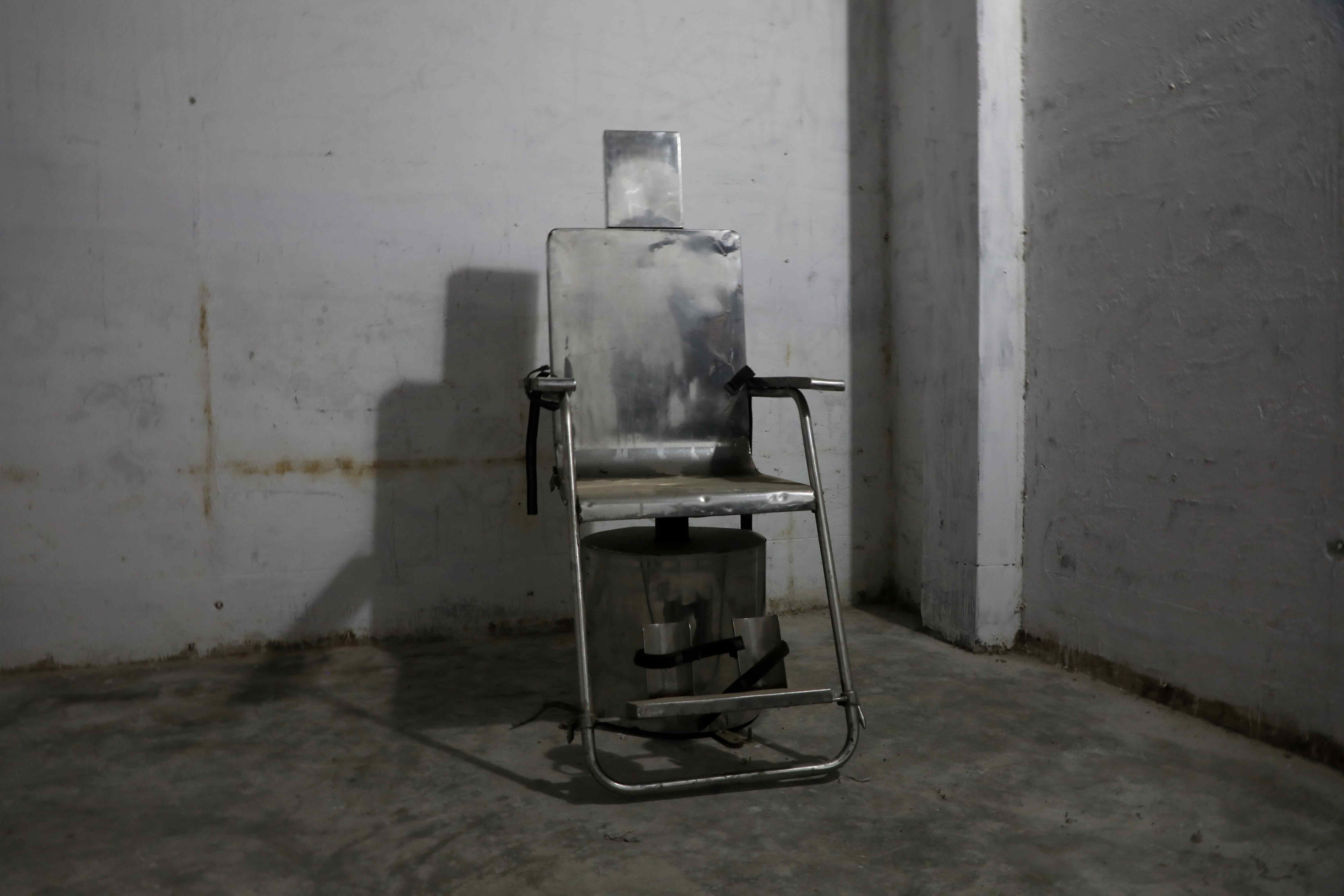
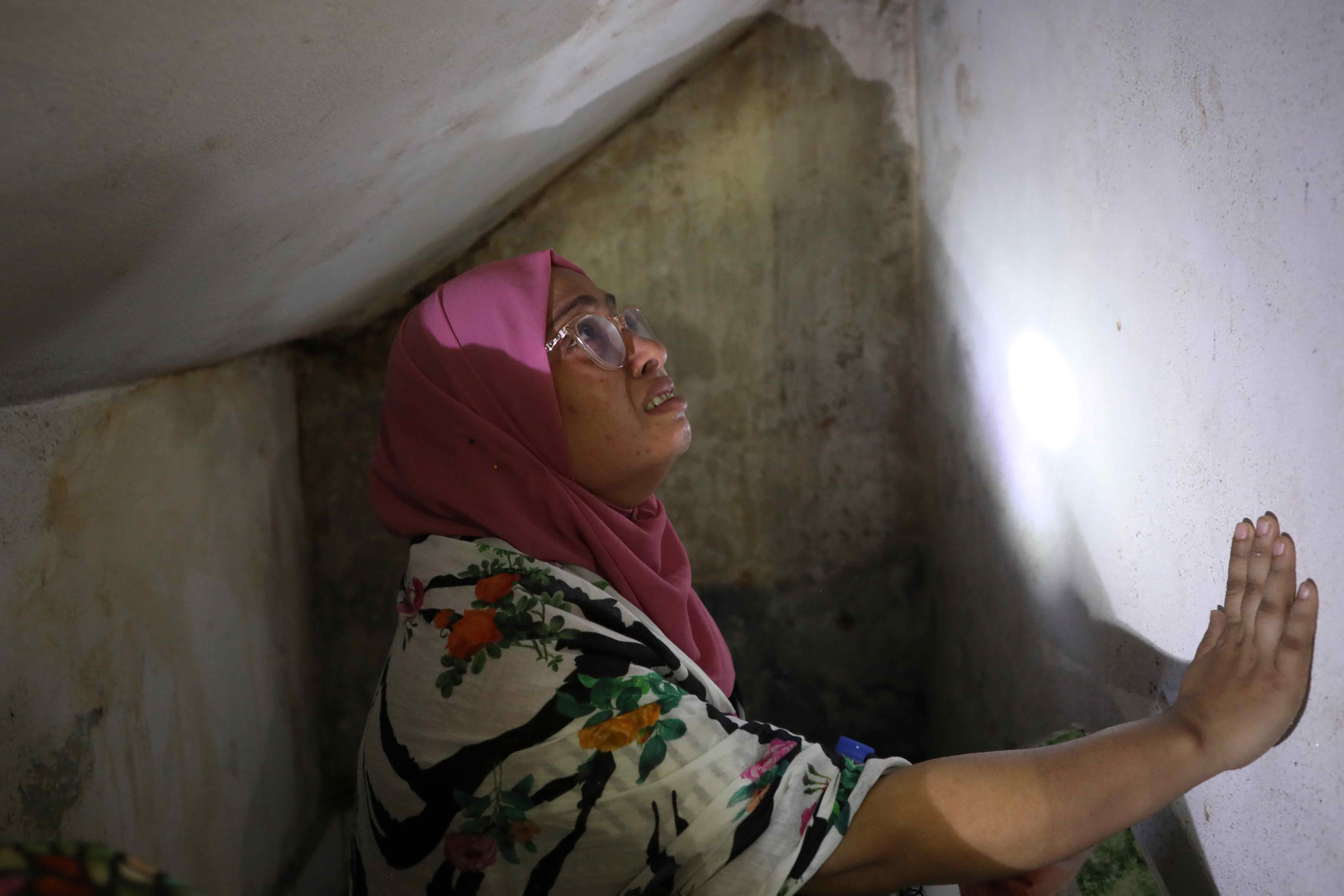
Between 2009 and 2024, rights groups recorded over 2,500 extrajudicial killings and more than 600 enforced disappearances, involving RAB, police, and intelligence agencies such as the Directorate General of Forces Intelligence (DGFI). Secret detention centers like Aynaghar, operated by DGFI, became notorious symbols of impunity. Some victims later reappeared in prisons after months of illegal detention; others were declared dead in “encounters.” Many remain missing, suspended between life and silence.
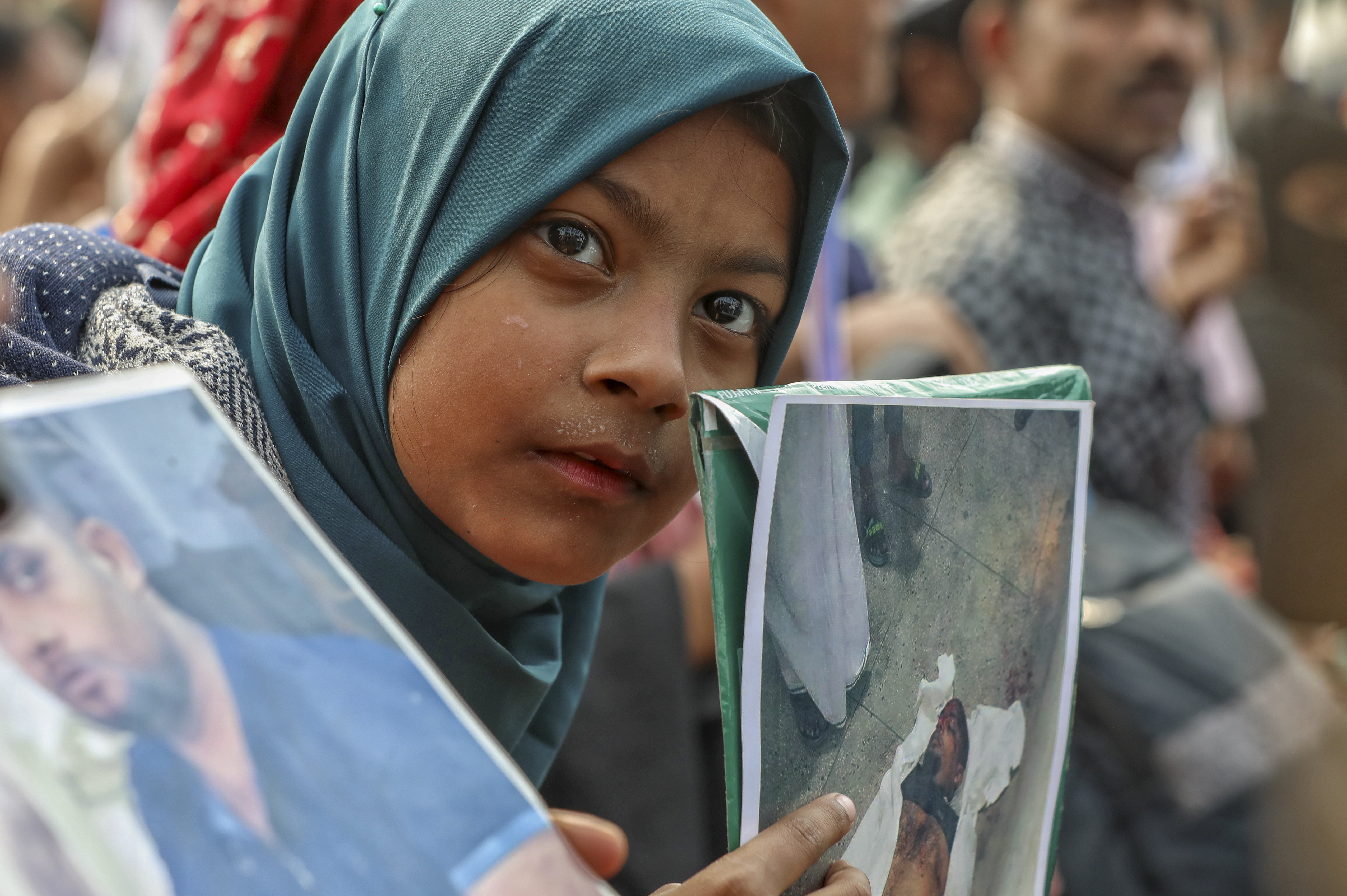
The breaking point came in July–August 2024, when mass student-led protests erupted across the country. Security forces responded with lethal force, killing hundreds. The uprising ultimately led to the fall of the Hasina government, exposing the scale of state violence to the world and forcing a reckoning long demanded by victims’ families.
Yet the end of Hasina’s rule did not end the violence. Under the interim government led by Nobel laureate Muhammad Yunus, extrajudicial killings have continued. Rights groups documented 64 unlawful killings between September 2024 and August 2025, and reports in late 2025 confirm that disappearances and custodial deaths persist. While the overall numbers have declined compared to Hasina’s era, the culture of impunity remains intact, raising fears that reforms promised by the interim administration are fragile and incomplete.
Justice is not measured in statistics. It is measured in truth, accountability, and acknowledgment. For the families left behind, the struggle continues — demanding answers, confronting the past, and insisting that Bangladesh cannot move forward without facing what was done in its name.ithout grave details goes here…